2026 Top Types of Chrome Plating Explained for Better Understanding?

In the dynamic world of manufacturing and automotive finishing, understanding the "types of chrome plating" is essential. Industry expert Dr. Jonathan Pierce emphasizes, “Each type serves a unique purpose and comes with its own advantages.” This insight helps us navigate through various options available today.

Chrome plating plays a vital role in enhancing durability and aesthetic appeal. The most common types include decorative chrome plating, hard chrome plating, and electroless nickel plating. Each process uses distinct chemicals and techniques. For instance, hard chrome plating is renowned for its thickness and wear-resistance. However, it may not suit all applications.

As we delve deeper into these methods, it’s crucial to acknowledge their limitations. The costs and environmental impacts deserve consideration. By reflecting on these factors, industries can make informed decisions. Understanding the "types of chrome plating" will guide better choices for performance and longevity.
2026 Top Types of Chrome Plating Explained for Better Understanding?

Understanding Chrome Plating: An Overview of Its Importance

Chrome plating plays a vital role in enhancing both aesthetics and functionality. It involves a process where a thin layer of chromium is deposited on a metal surface. This layer can improve corrosion resistance and provide a sleek finish. It is often used in automotive parts, home fixtures, and accessories. The shiny appearance of chrome plating can transform ordinary objects into visually appealing ones.

However, not all chrome plating is created equal, and the quality can vary significantly. Some methods may not provide the durability expected, leading to peeling or fading over time. This inconsistency raises questions about which types are most dependable. Understanding the differences is crucial. For instance, decorative chrome plating emphasizes surface beauty, while hard chrome offers enhanced wear resistance. Choosing the right type based on specific needs is important.

Many overlook the importance of maintenance for chrome-plated items. Regular cleaning helps retain the finish and prevents oxidation. Some might ignore this, leading to premature damage. This reflects a common oversight in product care. In conclusion, recognizing the importance of chrome plating and the intricacies involved can empower users to make better choices.

2026 Top Types of Chrome Plating Explained for Better Understanding

Type of Chrome Plating Description Applications Advantages Disadvantages
Decorative Chrome Plating A thin layer of chromium applied to provide a shiny surface. Automotive parts, fixtures, bathroom fittings. Aesthetic appeal, corrosion resistance, easy to clean. Less durable than hard chrome, can be damaged easily.
Hard Chrome Plating A thicker layer of chromium with high hardness and wear resistance. Machinery components, hydraulic cylinders, industrial applications. Excellent wear and corrosion resistance, good for heavy-use applications. Less shiny appearance compared to decorative chrome.
Chrome Plating with Nickel Base Nickel is applied first, followed by a layer of chromium to enhance durability. Automotive trim, household appliances, faucets. Improved adhesion, better resistance to tarnishing. More expensive due to the dual-layer process.
Chromic Acid Anodizing A process that generates a thick oxide layer on aluminum parts using chromic acid. Aerospace, automotive, and various industrial applications. Enhances corrosion resistance and can be dyed for color. Environmental concerns due to hexavalent chromium.

Different Types of Chrome Plating: Decorative vs. Hard Chrome

Chrome plating is popular for its aesthetic and protective qualities. Two main types are decorative chrome plating and hard chrome plating. They serve different purposes and have distinct applications.

Decorative chrome plating enhances appearance. It’s shiny, smooth, and often used on car parts, faucets, and household items. This type creates a visually appealing finish. However, it is relatively thinner than hard chrome. It may wear off over time in high-friction areas. Regular maintenance can help prolong its life.

Hard chrome plating is more functional. It provides a thicker layer for enhanced durability. This process adds protection against wear and corrosion. Common uses include machinery, tools, and industrial parts. Yet, hard chrome can be less visually appealing. The surface may not be as smooth. This can be a drawback for aesthetics-focused projects.

Tip: Consider the intended use before choosing the type of chrome plating. If durability is critical, hard chrome is your best bet. For decorative purposes, opt for decorative chrome. Reflect on the environment where the item will be used. A wrong choice could lead to early wear or an unpleasing look.

Applications of Chrome Plating in Various Industries

2026 Top Types of Chrome Plating Explained for Better Understanding?

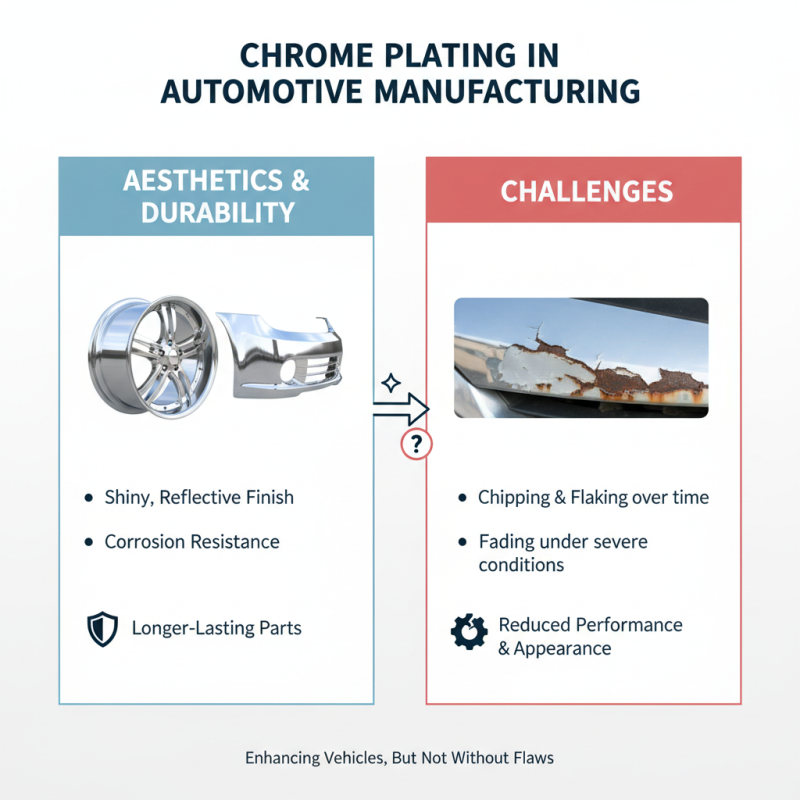
Chrome plating has diverse applications in various industries. In automotive manufacturing, it enhances both aesthetics and durability. Shiny chrome finishes on bumpers and wheels catch the eye of consumers. They also provide resistance to corrosion. This leads to longer-lasting parts, which is essential for vehicle longevity. However, not all finishes hold up under severe conditions. Sometimes, the plating can chip or fade over time, which affects both appearance and performance.

In the aerospace sector, chrome plating is used for engine components and landing gear. The coating helps reduce wear and friction, allowing parts to perform efficiently. It is crucial in maintaining safety and reliability. Nevertheless, the process of chrome plating can be complex. Not every component achieves the desired quality. If done incorrectly, it may lead to defects that compromise functionality.

Medical equipment also benefits from chrome plating. Surgical instruments require precision and resilience. A chrome-coated surface can reduce contamination risks. However, quality control must be strict. Any flaws in the plating can lead to serious consequences in patient care. Each industry must evaluate the effectiveness of chrome plating continually. Maintaining high standards is key to ensuring safety and aesthetics.

The Chrome Plating Process: Step-by-Step Breakdown

2026 Top Types of Chrome Plating Explained for Better Understanding?

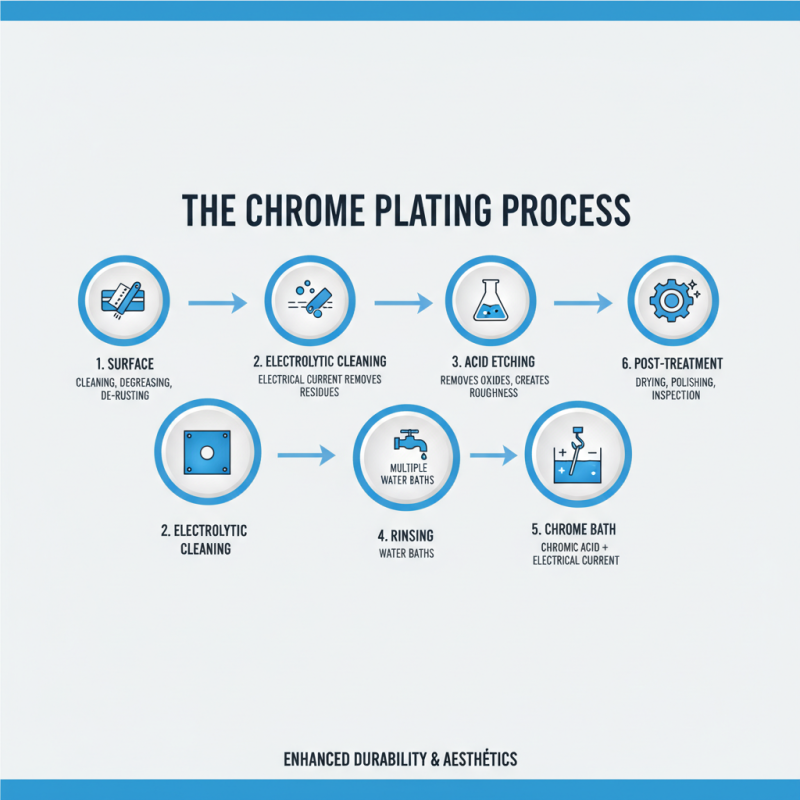
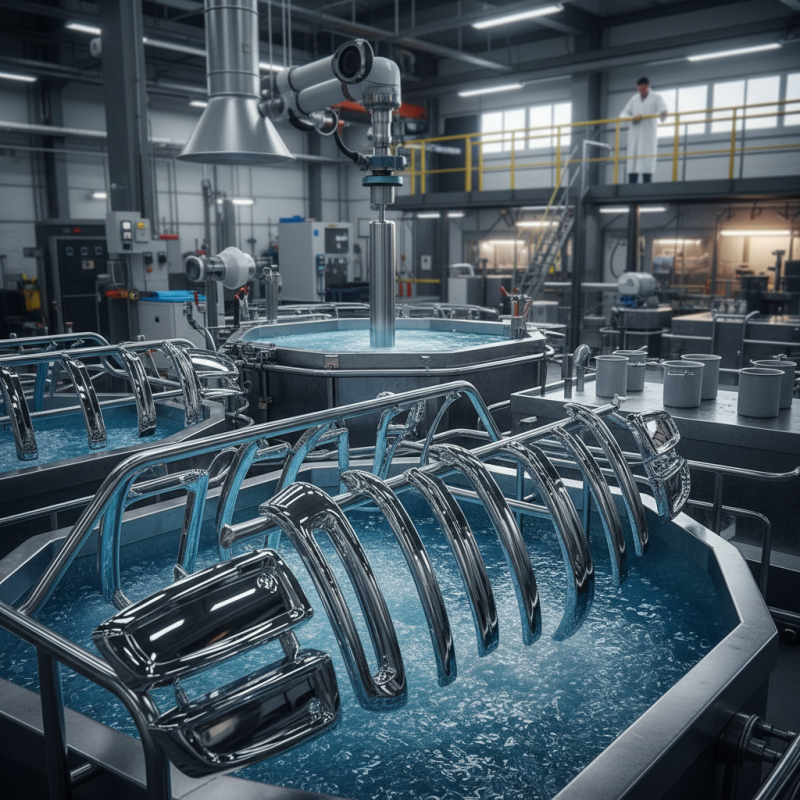
Chrome plating is a fascinating process that enhances the durability and aesthetics of metal surfaces. To understand chrome plating better, we break down its steps. This process begins with surface preparation. The metal surface needs to be cleaned thoroughly. Any dirt, grease, or corrosion can interfere with adhesion.

Next, the metal is often immersed in a chemical solution. This solution prepares the surface for plating. Following that, an electric current is applied to the metal. This current allows chromium ions to settle onto the surface. Each layer is thin but adds to the overall thickness. It’s crucial to control the current and solution temperature. Too high can cause defects.

After plating, the surface must be polished. This step is not just for looks; it can reveal imperfections. Even minor flaws can lead to corrosion or peeling. Inspecting the final product is essential. It’s not just about achieving a shine. Understanding these nuances can lead to better results in chrome plating. However, it’s easy to overlook these details in a fast-paced environment.

Benefits and Limitations of Chrome Plating Techniques

Chrome plating is widely used in various industries. It offers both advantages and drawbacks that can affect its application. One of the key benefits is its enhanced aesthetic appeal. Chrome-plated surfaces shine brightly, attracting attention in both automotive and decorative applications. However, the allure can sometimes mask the weaknesses in its durability.

While chrome plating provides excellent corrosion resistance, it is not invincible. Over time, it may chip or peel, requiring maintenance. This can be frustrating for users seeking long-lasting results. The process also involves chemicals that can be harmful to the environment. Striking a balance between aesthetic gain and potential drawbacks is essential for responsible use.

In addition, the cost of chrome plating can be significant. Small parts may not justify the expense. Understanding these limitations helps customers make informed decisions. Chrome plating can transform items, but it’s not always the perfect solution for every need.