2026 Top Trends in Brushed Chrome Plating for Modern Designs?
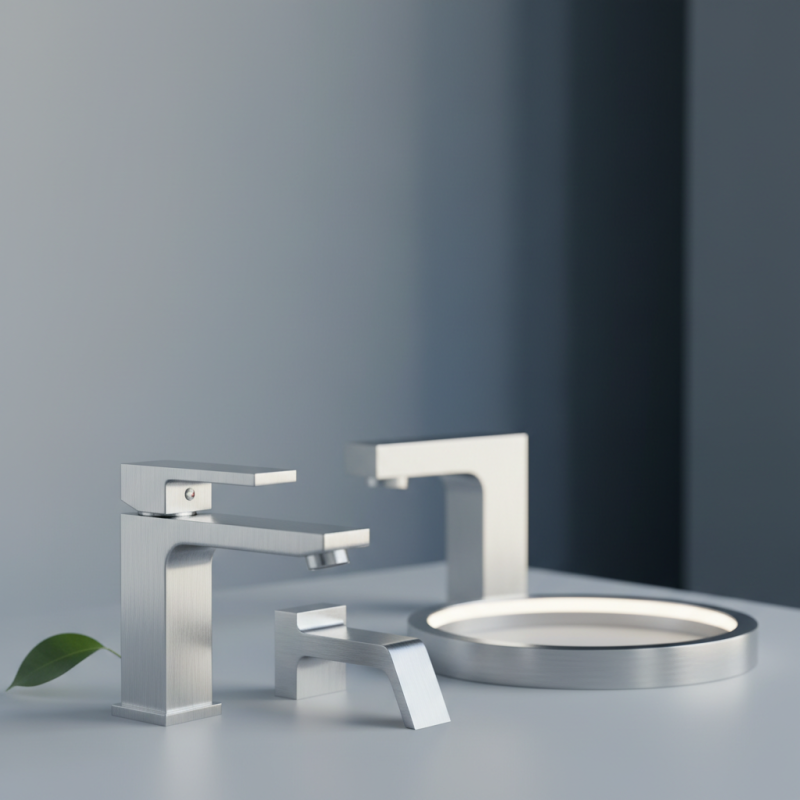
As we look towards 2026, brushed chrome plating emerges as a significant trend in modern design. This finish combines elegance and durability, making it a popular choice among designers. Consumers increasingly desire sleek, stylish finishes that reflect contemporary aesthetics.
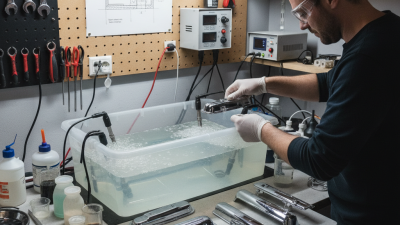
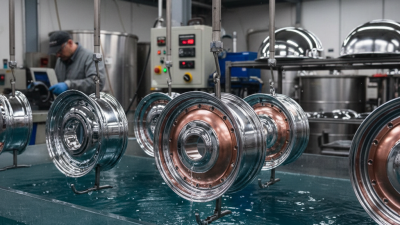
Brushed chrome plating offers a unique texture that stands out in various applications. From fixtures to furniture, this finish can elevate any design concept. However, achieving the perfect brushed look is not always straightforward. The process requires precision and skill to avoid inconsistency.
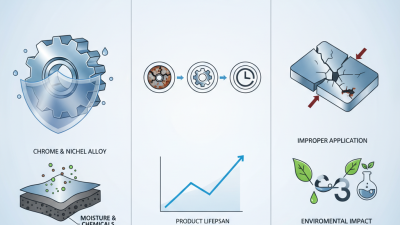
As the industry evolves, we must consider the environmental impact of brushed chrome plating. Sustainable practices are becoming essential. Designers need to reflect on how to balance aesthetics with environmental responsibility. Overall, brushed chrome plating continues to shape modern design in exciting ways.
Emergence of Brushed Chrome Plating in Contemporary Design Trends
Brushed chrome plating has made a significant comeback in contemporary design. Modern designers favor it for its unique texture. The matte finish creates an elegant contrast with glossy surfaces. This interplay enhances visual appeal in various applications, from furniture to fixtures.
Intriguingly, brushed chrome is not without its flaws. Smudges and fingerprints can mar its beauty. This may require more maintenance than expected. Designers must consider these factors when incorporating brushed chrome into their work. Balancing aesthetics with practicality can be challenging.
As trends evolve, so does the use of brushed chrome plating. It adds a touch of sophistication yet is often underestimated. There’s room for experimentation. Designers are finding ways to pair it with other materials, enriching its versatility. The potential for creative combinations remains largely unexplored.
Key Benefits of Brushed Chrome Finishes in Modern Interiors
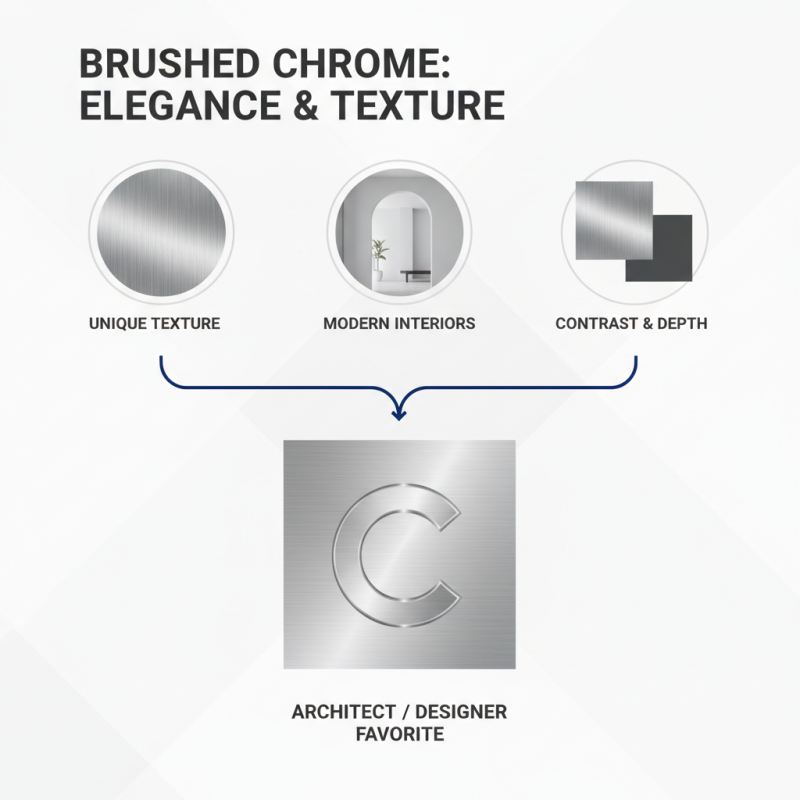
Brushed chrome finishes are more than just visually striking. They offer a unique texture that complements various modern interiors. This understated elegance adds depth to any design, making it a popular choice among architects and designers. The subtle sheen of brushed chrome contrasts beautifully with matte surfaces, creating a compelling visual narrative.
One of the main benefits of brushed chrome is its durability. Unlike polished finishes, it hides fingerprints and smudges effectively. This quality makes it ideal for high-traffic areas in homes or offices. However, maintenance is still required. Oxidation can occur if not properly cared for. Users might overlook this aspect but should consider regular cleaning to maintain its luster.
Moreover, brushed chrome finishes work well with diverse color palettes. They effortlessly blend with bold colors or soft neutrals. This versatility invites exploration in design choices. Still, it's essential to strike a balance. Overusing it can lead to a cold atmosphere. Thoughtful placement ensures it enhances rather than overwhelms a space, marrying aesthetics with practicality.
Innovative Applications of Brushed Chrome in Furniture and Fixtures
Brushed chrome plating is gaining traction in modern furniture and fixtures. Its unique texture creates a visually stunning finish. This material is not just about aesthetics; it also offers durability. Many designers are experimenting with brushed chrome for tables, chairs, and cabinetry. The subtle luster catches light beautifully, enhancing any space.
Incorporating brushed chrome in these applications can pose challenges. The texture can sometimes show fingerprints easily. Maintenance requires regular cleaning to keep surfaces looking fresh. Additionally, the finish might not suit every design style. Still, the trend is growing. It brings a contemporary edge to both residential and commercial interiors.
Designers appreciate its versatility. Brushed chrome can be combined with wood or fabric for contrast. It's a bold choice that invites creativity. The look can redefine classic pieces with a modern twist. However, careful consideration is needed to ensure it fits the overall design narrative.
2026 Trends in Brushed Chrome Plating for Modern Designs
This bar chart illustrates the projected usage rates of brushed chrome plating in various design applications for modern furniture and fixtures in 2026. The highest percentage is expected in furniture design, followed by lighting fixtures and kitchen accessories.
Sustainability Considerations for Brushed Chrome Plating Techniques
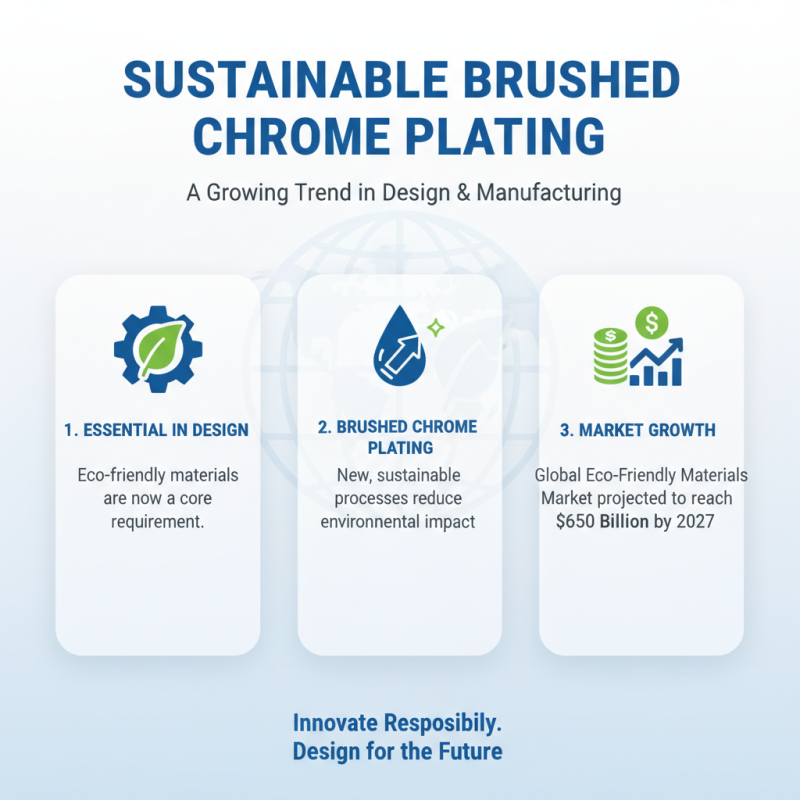
Sustainability has become essential in design. In the context of brushed chrome plating, this trend is gaining momentum. The global market for eco-friendly materials is projected to reach $650 billion by 2027. This figure highlights a significant demand for sustainable practices in various sectors, including metal finishing.
Brushed chrome plating techniques are evolving. Many manufacturers are adopting innovative methods that reduce waste and energy consumption. For instance, advanced electroplating techniques can minimize hazardous by-products. A report by the Environmental Protection Agency states that sustainable processes can reduce water usage by up to 30%.
Despite these advancements, challenges remain. The initial costs for sustainable materials can be high. Additionally, not all suppliers offer environmentally friendly options. This makes it difficult for designers to maintain a fully sustainable approach. Industry experts emphasize the need for continuous improvement. They call for more research into bio-based alternatives that work well in brushed chrome finishes. Balancing aesthetics and sustainability is still a complex task.
Future Prospects: The Evolution of Brushed Chrome in Design Aesthetics
The evolution of brushed chrome in design aesthetics reflects a growing trend. Designers are increasingly drawn to its modern appeal. According to a recent industry report, brushed chrome's market share in residential design has surged by 30% over the past three years. This finish's allure lies in its subtle texture and ability to blend seamlessly with various styles.
However, this trend isn't without its challenges. Brushed chrome surfaces can easily show fingerprints and smudges, which may deter some consumers. Industry experts note that while the aesthetic is striking, the maintenance required can be a turn-off. A study indicated that nearly 40% of homeowners express concerns over the upkeep of such finishes.
Moreover, the rise of sustainability has impacted brushed chrome usage. Designers are exploring materials that offer similar aesthetics but with lesser environmental footprints. The need for balance between beauty and functionality is paramount. As the market evolves, it may require a reevaluation of brushed chrome's place in future design endeavors. The dialogue surrounding its practical implications continues, drawing interest and scrutiny in equal measure.
2026 Top Trends in Brushed Chrome Plating for Modern Designs
| Trend |
Description |
Impact on Design |
Future Prospects |
| Sustainable Finishing |
Focus on eco-friendly materials and processes. |
Encourages designers to prioritize sustainability in aesthetics. |
Increased demand for green certifications in products. |
| Textured Finishes |
Integration of patterns and textures into brushed chrome. |
Adds depth and interest to otherwise flat surfaces. |
Enhanced customization options for designers. |
| Smart Finishes |
Incorporating technology for interactive surfaces. |
Transform traditional brushed chrome into a functional piece. |
Potential for integration with IoT devices in design. |
| Minimalist Aesthetic |
Clean lines and understated elegance in design. |
Emphasizes simplicity while maintaining sophistication. |
Continued relevance in urban and modern spaces. |
| Color Variations |
Emergence of colored brushed chrome options. |
Allows for more vibrant and diverse design possibilities. |
Broader consumer appeal by catering to unique tastes. |