
Top Chemicals Used in Electroplating for Enhanced Performance and Durability?
Electroplating is a vital process in many industries, enhancing the performance and durability of products. It involves the application of a metallic coating to substrates to prevent corrosion and wear. As highlighted in a report by the Electroplating Association, the global electroplating market is projected to reach $14 billion by 2025. This growth emphasizes the importance of understanding the chemicals used in electroplating.
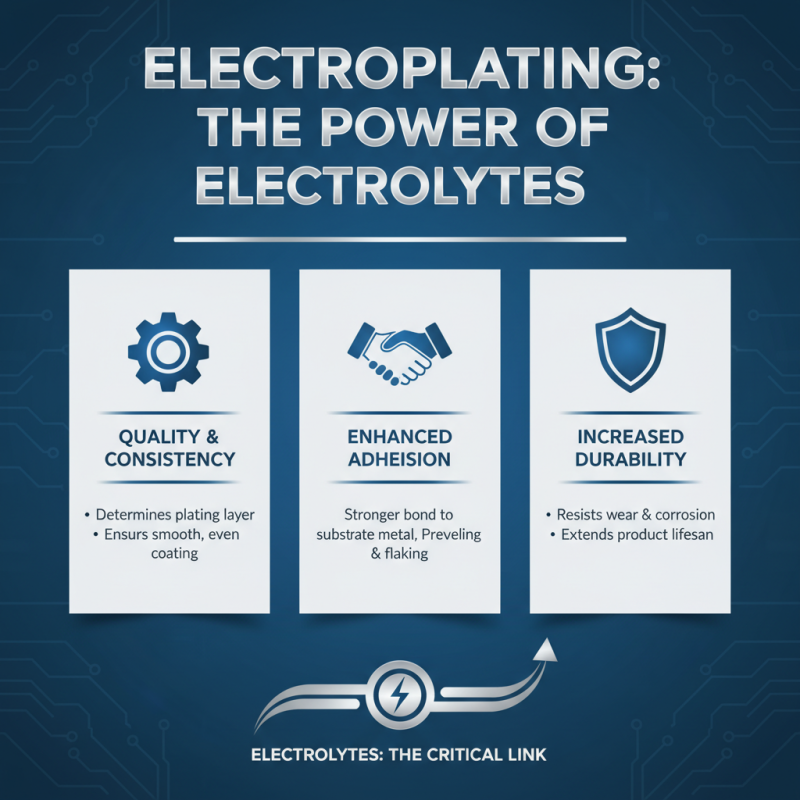
Dr. Emily Hart, a leading expert in surface finishing, states, "The right chemicals can significantly improve the lifespan of plated components." In electroplating, chemicals such as nickel sulfate, copper sulfate, and hexavalent chromium play crucial roles. Each of these chemicals affects the quality and performance of the electroplated layer. However, mismanagement of these chemicals can lead to undesirable results, like poor adhesion or uneven plating.
Despite advancements, challenges remain in the industry. Not all manufacturers fully grasp the sensitivity of chemical mixtures. Some continue to rely on outdated practices, risking product integrity. The balance of using innovative chemicals while maintaining safety is a constant consideration in electroplating. Understanding these dynamics is essential for achieving optimal results in the electroplating process.
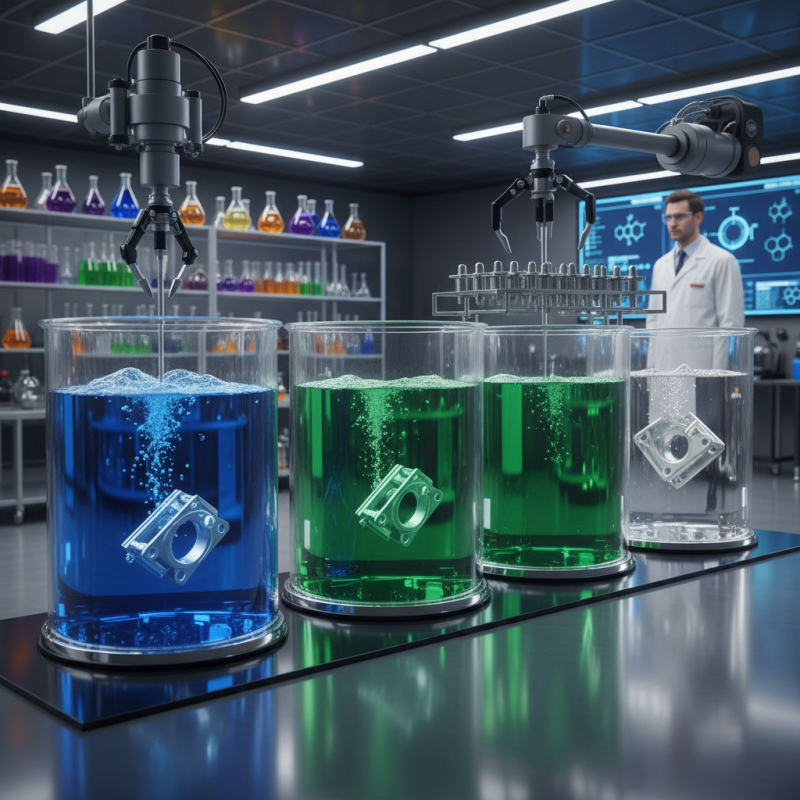
Top Chemicals in Electroplating: An Overview of Key Materials
Electroplating is a crucial process in various industries, enhancing the durability and performance of metal surfaces. The choice of chemicals plays a significant role in achieving desired outcomes. Commonly used chemicals include nickel sulfate, chromium trioxide, and copper sulfate. According to recent industry reports, nickel sulfate accounts for approximately 35% of the global electroplating market. Its properties contribute to improved hardness and corrosion resistance.
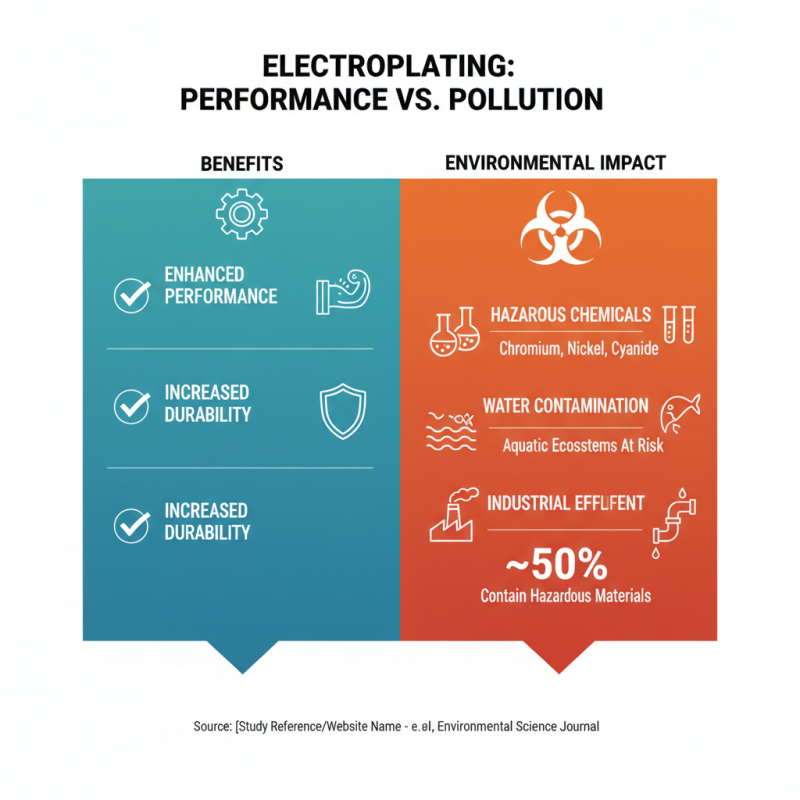
Another essential compound is chromium trioxide, known for creating a bright and durable finish. Its importance is reflected in its increasing application in automotive and aerospace industries. However, it's important to note potential environmental concerns related to chromium compounds. Companies need to approach this with caution and consider safer alternatives when possible.
Tip: Always assess the environmental impact of the chemicals you use. Look into cleaner and greener alternatives that might fulfill the same role.
Copper sulfate is widely used, especially in decorative plating. It provides excellent conductivity and a bright appearance. Despite its benefits, users should evaluate its long-term effects and be ready to adapt their processes. Investing in research can lead to better sustainability.
Tip: Regularly review your chemical supply chain. Stay informed on new innovations that can help enhance performance while reducing negative impacts.
Top Chemicals Used in Electroplating for Enhanced Performance and Durability
| Chemical Name | Function | Application | Properties |
|---|---|---|---|
| Nickel Sulfate | Provides a nickel source for electroplating | Used in decorative and functional nickel plating | Corrosion-resistant, can enhance hardness |
| Copper Sulfate | Acts as a primary source of copper for plating | Used in electronic components and decorative items | Excellent conductivity, improved surface finish |
| Chromic Acid | Provides a source of chromium for plating | Used in hard chrome plating for industrial applications | High hardness, good wear resistance |
| Zinc Chloride | Acts as an electrolyte in zinc plating | Used in corrosion protection applications | Good corrosion resistance, cost-effective |
| Tin Fluoride | Enhances the quality of tin deposits | Used in food packaging and electronics | Improved adhesion, better solderability |
Related Posts
-

2025 Top Guide to Cobalt Plating Techniques and Applications
-
How to Choose the Best Industrial Hard Chrome Plating Process for Your Needs
-

What is Decorative Plating and How Does it Enhance Product Aesthetics
-
Top 10 Tips for Successful DIY Chrome Plating at Home
-
How is Chromium Used in Electroplating? Advantages and Applications Explained
-

2026 Best Industrial Chrome Plating Techniques for Enhanced Durability?