10 Tips for Success in Auto Chrome Plating Process
The auto chrome plating industry has seen significant growth over the past few years. According to a recent report by Market Research Future, the global market for auto chrome plating is expected to reach $1.5 billion by 2025. This booming sector is driven by demand for enhanced aesthetics and durability in automotive parts. However, achieving success in this industry requires a keen understanding of the plating process.
Expert in the field, Dr. Linda Parker, emphasizes, “Precision and quality in auto chrome plating are the keys to customer satisfaction.” Her insights highlight the importance of adhering to best practices throughout the entire process. While many companies strive for excellence, common pitfalls can derail progress. Issues like poor surface preparation, improper chemical ratios, and lack of adherence to safety standards often arise.
Attention to detail is crucial in auto chrome plating. It is an intricate process that demands technical expertise. The need for ongoing training and quality control can’t be overstated. Success in this industry doesn’t happen overnight, and learning from mistakes is often a part of the journey. Understanding these complexities will empower businesses to thrive in this competitive landscape.
Key Components of the Auto Chrome Plating Process
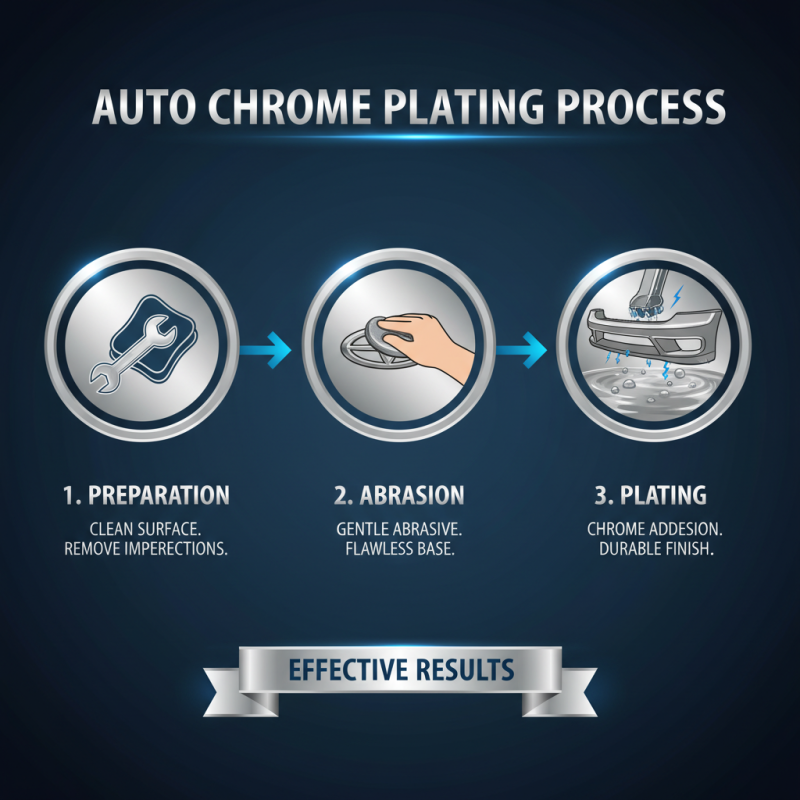
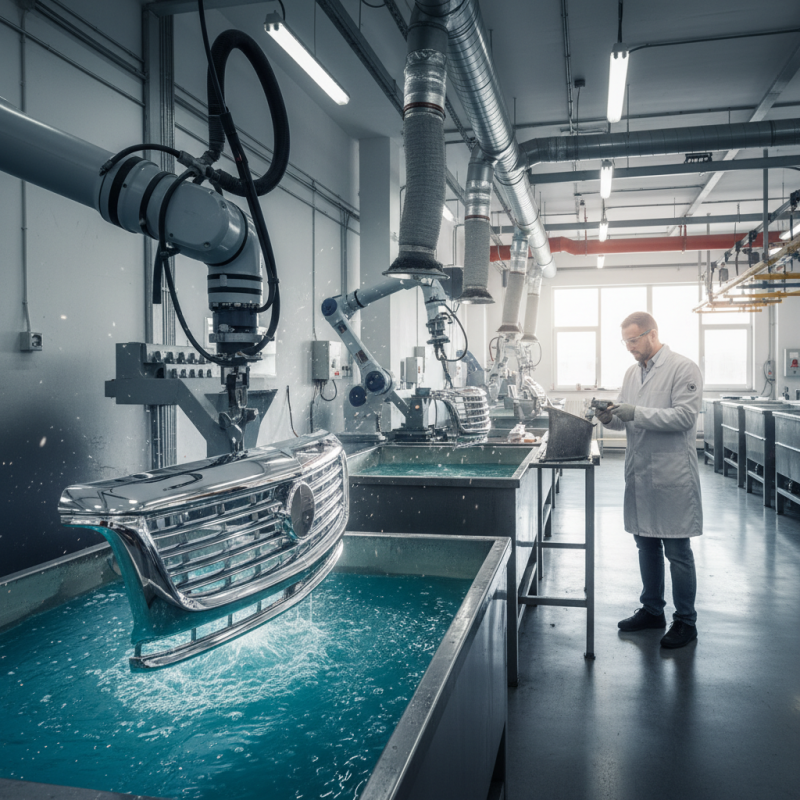
The auto chrome plating process involves several key components that ensure effective results. Preparation is crucial. The surface must be clean and free of debris. Any imperfections can lead to poor adhesion of the chrome. Use a gentle abrasive for cleaning. This step can be tedious but is necessary for a flawless finish.
One of the most critical tips is to maintain the plating bath's chemical balance. Regular testing helps. If the chemicals are off, the coating may not adhere properly. It's essential to monitor pH levels and conductivity. Many overlook this detail, which can result in disappointing outcomes.
Another vital component is the final curing stage. This is where the plated surface gains its durability. Curing time should not be rushed. Insufficient curing can lead to a fragile finish. Inspect your work carefully. These reflections on the process can help avoid future mistakes. Each step builds toward a successful outcome in auto chrome plating.
Essential Safety Measures in Chrome Plating Operations
In chrome plating operations, safety measures are crucial. The use of harsh chemicals poses significant risks. Workers should wear protective gear.
This includes gloves, goggles, and aprons. These items help reduce the chance of chemical exposure.
Ventilation is also essential in the workspace. Poor air quality can lead to harmful inhalation.
In addition, it’s important to have proper training. Employees must understand the risks associated with chrome plating. Misunderstanding procedures can lead to accidents.
Regular safety drills can reinforce these protocols. Ensure that all safety equipment is easily accessible.
It’s also vital to conduct regular inspections of the workspace. Overlooking these factors can result in serious consequences.
Moreover, accidents can happen even with precautions. It’s essential to have an emergency plan in place. This includes knowing how to respond to chemical spills.
Communication should be clear during such incidents. Team members need to know their roles.
Reflecting on past mistakes can help improve safety practices. Learning from experience is key to reducing risks in operations.
Step-by-Step Preparation for Chrome Plating Surfaces
The chrome plating process requires meticulous preparation for optimal results. Proper surface preparation is crucial before applying chrome. Rough or contaminated surfaces can lead to poor adhesion and uneven finishes. According to a report by the Surface Engineering Association, nearly 30% of plating failures are due to inadequate surface prep.
A good tip is to begin with cleaning. Remove dirt, grease, and old coatings from the surface. Use a degreaser that meets industry standards. Mechanical abrasion, like sanding or blasting, can further enhance the surface. Proper cleaning increases adhesion.
Another important step is to ensure that the surface is dry. Moisture can cause various issues during plating. Test the surface with a simple water bead test. If water beads up, it means it’s not ready. This step is often overlooked but critical for success.
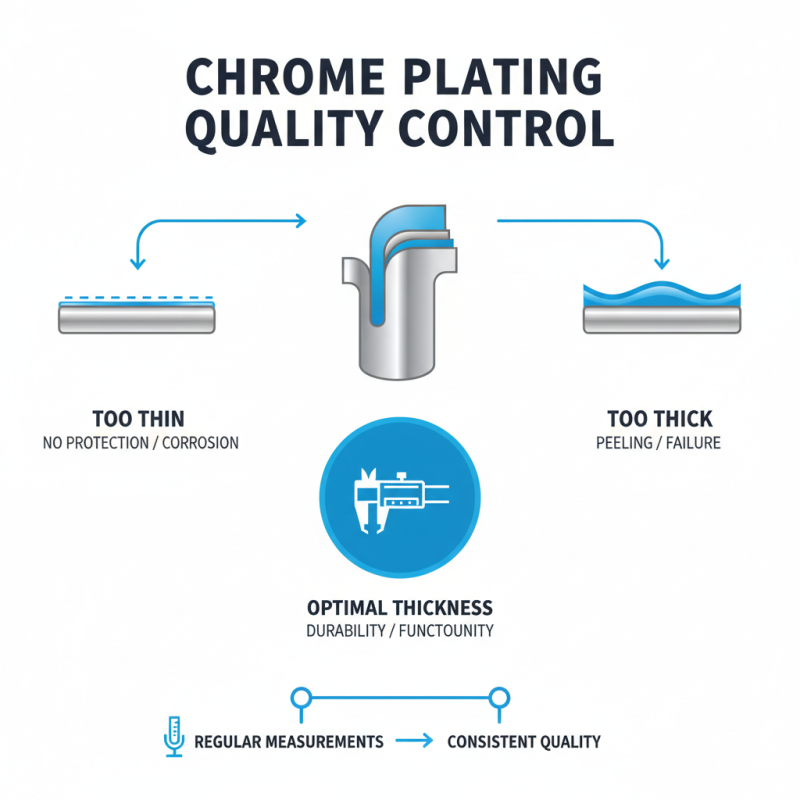
Finally, applying a pre-treatment layer can lead to a better finish. This can be a nickel layer or acid etch. Be mindful of thickness, as excessive layers can lead to defects. Regular inspection during prep can allow for adjustments before plating. Remember, reflection on preparatory steps can lead to notable differences in outcomes.
Common Mistakes to Avoid in Auto Chrome Plating
The auto chrome plating process can enhance the aesthetics and durability of vehicle parts. However, many people fall into common pitfalls. One significant mistake is improper surface preparation. If surfaces aren't adequately cleaned, contaminants can lead to adhesion failure. Statistics show that up to 25% of plating failures stem from insufficient pre-treatment.
Another frequent error involves incorrect plating solutions. An unbalanced solution can result in uneven coatings. Research indicates that 40% of plating defects arise from solution concentration miscalculations. This not only affects the quality but also shortens the lifespan of the chrome layer. Monitoring the chemical composition regularly is crucial.
Overlooking temperature control is also problematic. Operating outside the recommended temperature range causes inconsistency. Reports indicate that temperature deviations can lead to a 30% increase in defects. Each of these issues reflects the need for attention to detail in the chrome plating process. Understanding and rectifying these mistakes can lead to better outcomes and longevity in chrome finishes.
10 Tips for Success in Auto Chrome Plating Process
This chart depicts the common mistakes to avoid in the auto chrome plating process, highlighting the importance of each tip in ensuring a successful plating outcome. Lower percentages indicate areas where improvements are necessary for better plating practices.