How to Master Cobalt Electroplating Techniques for Optimal Results?
Cobalt electroplating is a technique that offers numerous benefits. It enhances the durability and wear resistance of metal surfaces. Many industries rely on cobalt for its unique properties, including its ability to withstand high temperatures.
Mastering cobalt electroplating requires attention to detail. It involves complex chemical processes that can yield varying results. Factors like temperature, pH level, and current density all play a crucial role. Even experienced professionals might struggle with consistency.
Understanding these intricacies is key to achieving optimal outcomes. Regular experimentation and adjustments are necessary. Sometimes, it may feel frustrating when results do not meet expectations. Yet, each attempt provides valuable lessons. Embracing this learning journey can ultimately lead to mastery in cobalt electroplating.
Understanding the Basics of Cobalt Electroplating Processes
Cobalt electroplating is a fascinating process. It involves depositing a layer of cobalt onto a substrate. This technique enhances surface properties like corrosion resistance and wear durability. Understanding the basics can help achieve optimal results.
Before starting, ensure you have the right equipment. Use a quality electroplating bath. The bath’s composition is crucial for achieving desired thickness and finish. Test your solution regularly. Adjust as necessary to maintain proper chemistry.
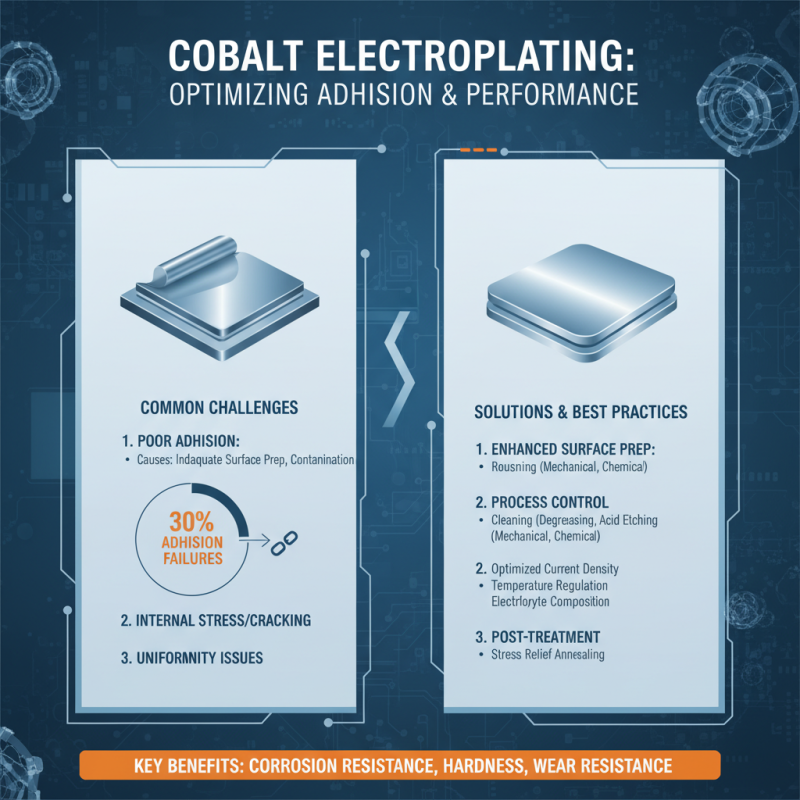
Tips: Make sure to prepare your surfaces well. Clean them thoroughly to remove contaminants. Any residue can lead to poor adhesion. Monitor your plating time carefully. Over-plating can create uneven surfaces, leading to defects.
Reflect on how your initial attempts may not yield perfect results. Adjustments might be necessary as every piece and environment is different. Remember, patience is key. Experience will teach you the nuances of cobalt electroplating.
Essential Equipment and Materials for Cobalt Electroplating
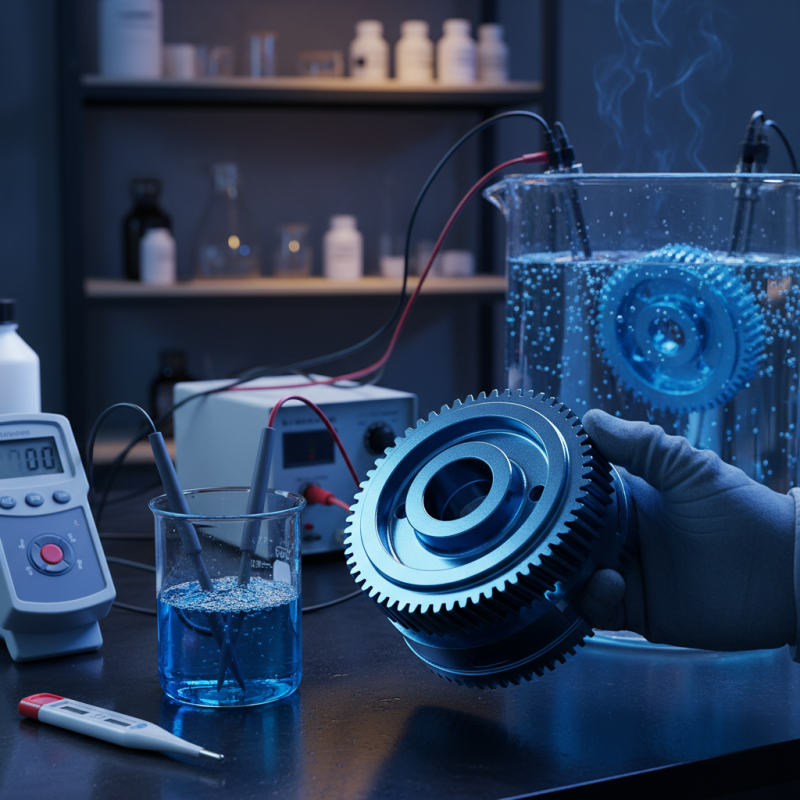
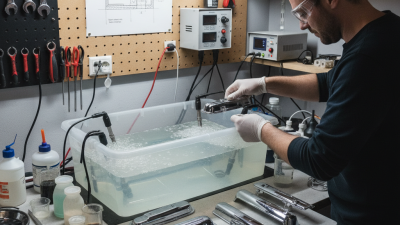
Cobalt electroplating requires specific equipment and materials to achieve desired results. The setup often includes a power supply, a plating bath, and a cobalt electrolyte solution. A clean workspace is crucial to prevent contamination. Use proper safety gear, like gloves and goggles, to stay protected during the process.
The plating bath should be thoroughly prepared. Ensure you have the right concentrations of cobalt salts. Monitor pH levels closely, as they can impact the electroplating process. Cobalt ions must be stable for best results. For consistent plating, the workpieces should be spotless. Remember, even a small amount of dirt can cause uneven coating.
Tips: Always conduct a test on a small piece before a full run. Observe the plating thickness and adjust parameters accordingly. If issues arise, revisit each step. Reflect on your results and note what worked and what didn’t. This reflection can lead to noticeable improvements in future projects. Keep refining your technique to achieve optimal outcomes.
Step-by-Step Procedure for Applying Cobalt Electroplating
Cobalt electroplating is an essential technique in various industries, providing excellent hardness and corrosion resistance. This process begins with surface preparation. Clean your substrate thoroughly using ultrasonic cleaning or chemical methods. Removing contaminants ensures better adhesion.
Next, prepare the electroless cobalt solution. Industry reports indicate that a bath composition of cobalt ions, stabilizers, and reducing agents is critical. Aim for a pH range of 8-10. Maintaining this pH level guarantees a smooth and even coating. Monitor solution temperature as well. Optimal ranges typically fall between 50-70 degrees Celsius.
Tips: Always test small samples before proceeding to larger projects. Regularly check solution viscosity. If it thickens, performance can drop.
Electroplating time is crucial; too long can result in excessive build-up, while too short may lead to poor adhesion. Typically, a time frame between 30 to 60 minutes works best for most applications.
Tips: Keep an eye on your plating speed. If it varies, review your solution's chemistry. A stable process yields more consistent results.
While cobalt plating shows promise, it’s not without challenges. Surface imperfections may appear if the substrate isn’t adequately prepared. Always iterate your methods and reflect on prior results for improvements.
Best Practices for Achieving High-Quality Cobalt Coatings
Cobalt electroplating offers significant advantages for various industries, especially in enhancing surface properties. According to a recent report by the International Journal of Electrochemistry, proper preparation is crucial. The substrate must be clean and free of contaminants. This step is often overlooked, leading to poor adhesion and flaking.
Temperature control is another critical factor. A study from the Journal of Surface Engineering shows that maintaining the bath temperature between 25°C and 30°C yields optimal results. Deviations can result in uneven coating thickness and subpar finishes. Many practitioners still struggle with this aspect, leading to inconsistent outcomes.
Achieving high-quality cobalt coatings requires attention to detail. Factors like pH levels and current density cannot be ignored. A pH of around 4.0 is usually recommended. This creates a conducive environment for uniform deposition. However, many operators fail to monitor pH levels accurately. This negligence can lead to recalls and increased costs. Regular audits and adjustments can mitigate these risks significantly.
Average Thickness of Cobalt Coatings Achieved Using Different Techniques