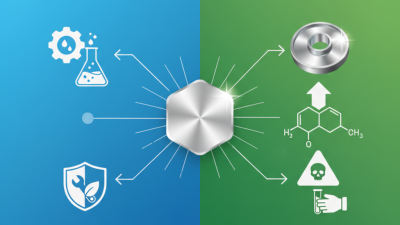
What is Cobalt Plating and Why is it Used?
Cobalt plating has become a vital process in various industries. It's known for its durability and resistance to wear. Industry expert Dr. Emily Carter states, "Cobalt plating offers unmatched strength for delicate components." This highlights its importance for those seeking reliable solutions.
Cobalt plating involves depositing a layer of cobalt onto a surface. This process enhances hardness and improves corrosion resistance. Many manufacturers utilize cobalt plating to extend the lifespan of their products. However, the implementation can pose challenges. The balance between thickness and application is crucial. Excessive plating may lead to unforeseen complications.
Despite its benefits, there are aspects to consider. Cobalt plating can be expensive due to material costs and processing time. Not all materials respond well to this technique. Therefore, careful evaluation is essential. Companies should weigh the pros and cons before opting for cobalt plating in their operations.

What is Cobalt Plating and How Does It Work?
Cobalt plating is a process used in various industries. It involves depositing a layer of cobalt onto a substrate. This method enhances the surface properties of the material. The coating improves wear resistance and corrosion protection. It can be applied to metals and polymers alike.
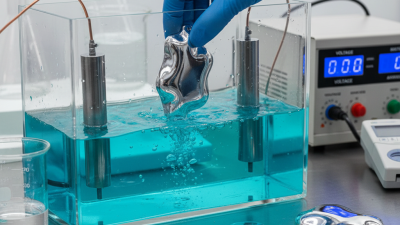
How does cobalt plating work? The process usually occurs through electroplating. An electric current drives cobalt ions from a solution onto the surface. The substrate needs to be thoroughly cleaned beforehand. Contaminants can lead to poor adhesion. The thickness of the coating can vary depending on the application.
One interesting point is that cobalt plating isn't perfect. Sometimes, the coating can develop defects. These may include pits or uneven surfaces. These issues can affect performance. Hence, regular inspections are essential. Despite its benefits, cobalt plating requires careful management. Every layer added must be assessed for quality.
Historical Development and Applications of Cobalt Plating
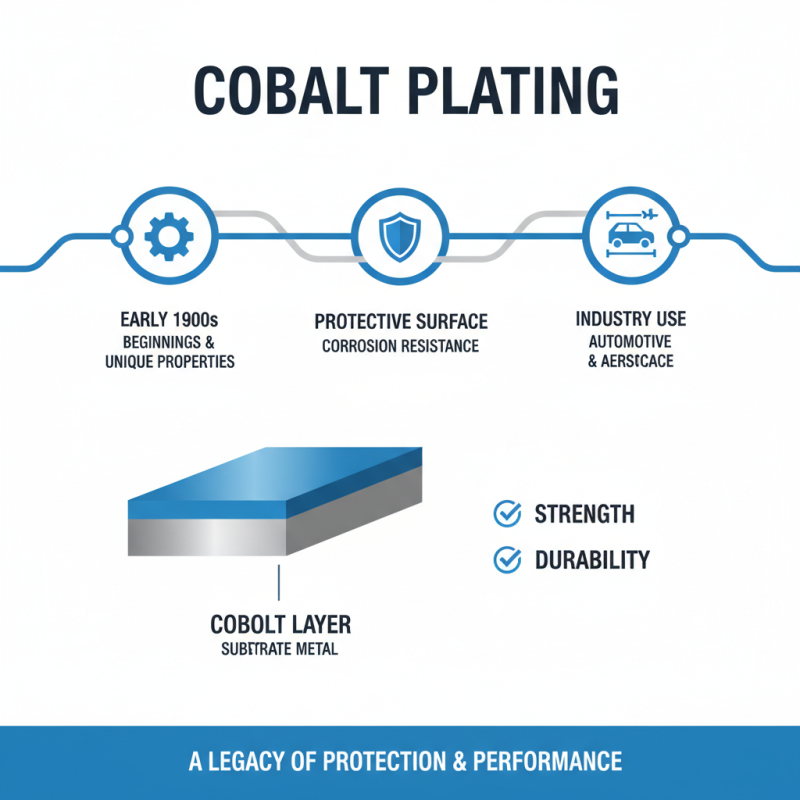
Cobalt plating has a rich history that begins in the early 20th century. Initially, it gained attention for its unique properties. Crafted from cobalt metal, this process helps create a protective surface. Its corrosion resistance makes it ideal for various uses. The automotive and aerospace industries frequently utilize cobalt plating due to its strength.
The applications of cobalt plating have expanded over the years. In the medical field, it is used for surgical instruments and implants. The coating ensures durability and hygiene. Cobalt plating also finds its role in electronics, enhancing conductivity and performance. However, this method isn’t without challenges. The adhesion of cobalt layers can be inconsistent, leading to peeling or degradation over time. This variability prompts continual evaluation of techniques and outcomes, emphasizing the need for refinement and innovation in cobalt plating practices.
Key Benefits of Cobalt Plating in Various Industries
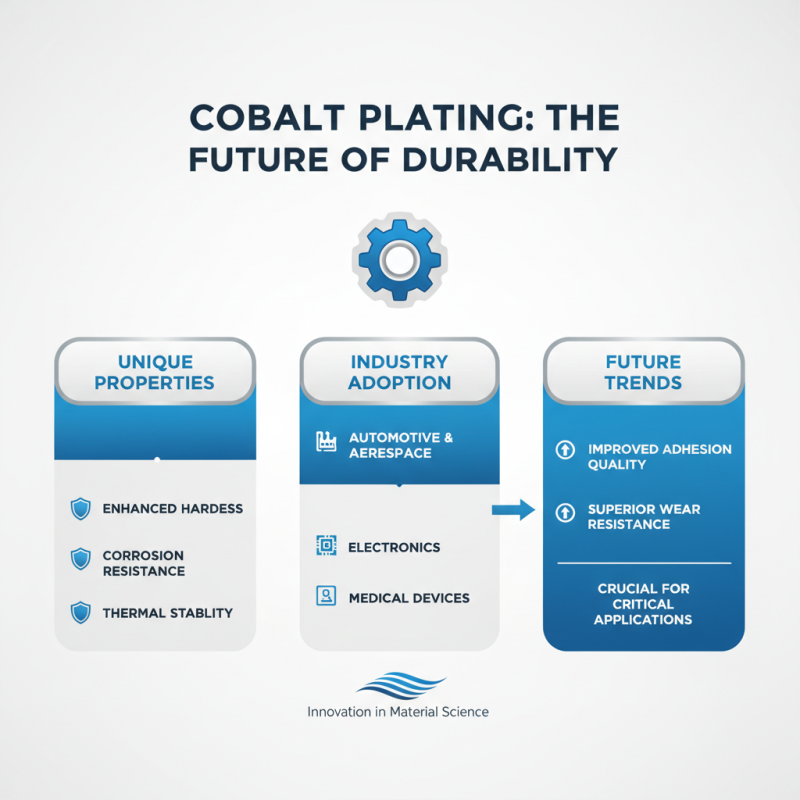
Cobalt plating is gaining traction in various industries due to its unique properties. This technique involves depositing a cobalt layer onto surfaces, enhancing their durability and resistance. It stands out for its excellent wear resistance and ability to withstand high temperatures. This makes it particularly valuable in sectors like aerospace and automotive.
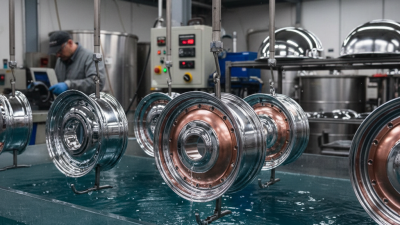
In aerospace, for instance, cobalt plating is essential for turbine components. These parts encounter extreme conditions and require robust protection. The cobalt layer helps to ensure performance and longevity. Meanwhile, in the automotive industry, it is used in transmission parts where friction is a challenge. Cobalt’s resistance to wear extends the life of components, reducing maintenance costs.
However, the application of cobalt plating isn’t without challenges. The process requires precise control to avoid defects. Improper plating can lead to weak points, risking failure. The environmental impact of cobalt sourcing raises ethical concerns as well. Balancing performance benefits with these issues remains a key consideration for industries.
Cobalt Plating vs. Other Plating Techniques: A Comparative Analysis
Cobalt plating is gaining attention in various industries. It offers unique properties such as improved wear resistance and corrosion protection. Compared to nickel or zinc plating, cobalt plating is highly desirable for specific applications, especially in aerospace and medical devices. Its hardness and friction-reducing abilities can extend the lifespan of components significantly.
When comparing cobalt plating to other techniques, one must consider several factors. For instance, nickel plating is often more cost-effective but lacks the same level of hardness. In contrast, zinc plating provides good corrosion resistance but is softer. Cobalt plating, although more expensive, can deliver superior performance. However, the thickness of the cobalt layer must be carefully controlled to avoid brittleness, which can lead to failures.
Another point of reflection is the environmental impact. Cobalt is a finite resource, and its extraction presents ethical challenges. As industries evolve, alternatives may be explored. Understanding the specific needs of an application is crucial. Choosing the right plating technique is not always straightforward. Each method has its pros and cons, and cobalt plating is no exception.
Future Trends and Innovations in Cobalt Plating Technology
Cobalt plating is gaining traction for its unique properties. Industries are leaning towards innovations that enhance durability. Future trends focus on improving adhesion quality and wear resistance, crucial for a variety of applications.
One potential development is eco-friendly processes. Traditional cobalt plating can be harmful to the environment. New methods might involve less toxic alternatives, which would benefit both the industry and nature. Researchers are experimenting with techniques that offer similar benefits without the downsides.
Moreover, advancements in automation could streamline the cobalt plating process. Automated systems may allow for consistent quality and reduced labor costs. However, reliance on machines raises concerns about skill gaps in the workforce. Balancing technology with human expertise remains a challenge. The future of cobalt plating holds promise, but careful consideration is needed.