How to Perform Cobalt Electroplating for Durable Metal Finishing?
Cobalt electroplating has gained popularity in the metal finishing industry. It offers a unique combination of durability and aesthetic appeal. This process involves depositing a layer of cobalt onto various metal surfaces, enhancing their resistance to corrosion and wear.
Applying cobalt electroplating can be complex. The right equipment and techniques are essential for success. Factors like temperature and pH levels play a crucial role in the plating quality. Workers might face challenges such as uneven coating or poor adhesion. These issues require attention and careful adjustments during the plating process.
Cobalt electroplating can create smooth, shiny finishes. Yet, achieving perfect results often demands practice and patience. Not every attempt turns out flawless. It's essential to learn from mistakes. Each project is an opportunity to refine skills and improve results. Embrace the trial-and-error aspect of cobalt electroplating for better outcomes.
Understanding Cobalt Electroplating: Key Concepts and Applications
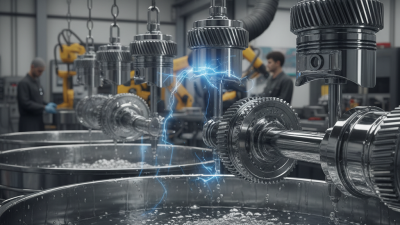
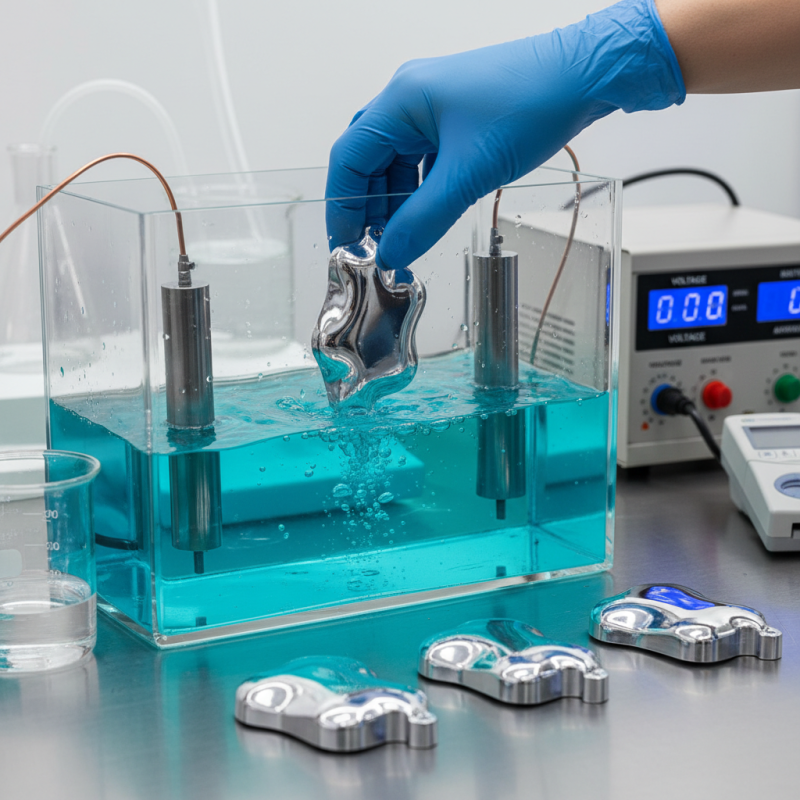
Cobalt electroplating is a fascinating process used for metal finishing. This technique applies a layer of cobalt for durability and corrosion resistance. The applications are broad, including aerospace, automotive, and electronics. Cobalt plates provide exceptional hardness, enhancing wear resistance. This makes it ideal for high-stress components.
Understanding cobalt’s properties is essential. The electroplating method uses a solution rich in cobalt salts. When an electric current passes through, cobalt ions deposit onto the metal surface. However, achieving an even coat can be tricky. Variables like temperature and pH affect the deposition rate. If not controlled, results may vary greatly. Inconsistent layers can lead to weak spots.
Practitioners face challenges during the process. They must ensure proper cleaning of the substrate. Any surface contaminants can lead to adhesion issues. Additionally, bath chemistry requires careful monitoring. Many novice electroplaters overlook this aspect. Regular analysis of the solution is crucial for consistent quality. Taking these details into account ensures a successful electroplating job.
Cobalt Electroplating Process Overview
This chart illustrates the typical time distribution across various steps involved in the cobalt electroplating process. Each step is crucial for achieving a durable and high-quality metal finish.
Essential Equipment for Cobalt Electroplating Process
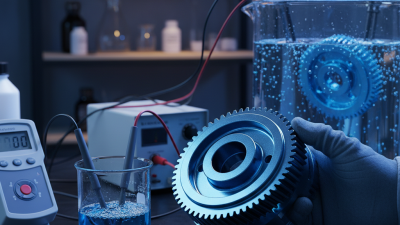
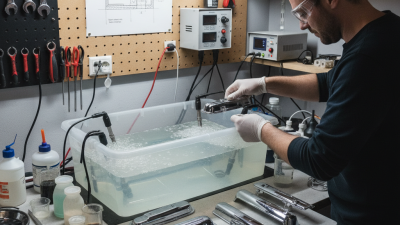
Cobalt electroplating requires specific equipment for optimal results. The electroplating tank is essential. It holds the electrolyte solution while ensuring even metal deposition. The tank needs to be corrosion-resistant, often made from polypropylene or similar materials. A reliable heating system is necessary. It maintains the temperature within the recommended range, typically around 50-60 degrees Celsius.
Power supply plays a critical role. A regulated DC power source provides consistent voltage and current. This consistency helps achieve a uniform coating. Additionally, stirring equipment can enhance the process. It redistributes the electrolyte, improving the quality of the deposition. Studies indicate that agitation can increase deposit thickness by up to 25% within certain parameters.
Safety gear is crucial. Operators should use gloves and goggles to prevent exposure to harmful chemicals. Data shows that improper handling of chemicals contributes to workplace accidents. Therefore, training is vital in this context. Regular equipment maintenance should not be overlooked. Even slight wear can compromise the electroplating process, leading to uneven coatings and subpar results. Regular inspections can prevent these issues and enhance operational efficiency.
Preparation of Substrates for Optimal Cobalt Plating Results
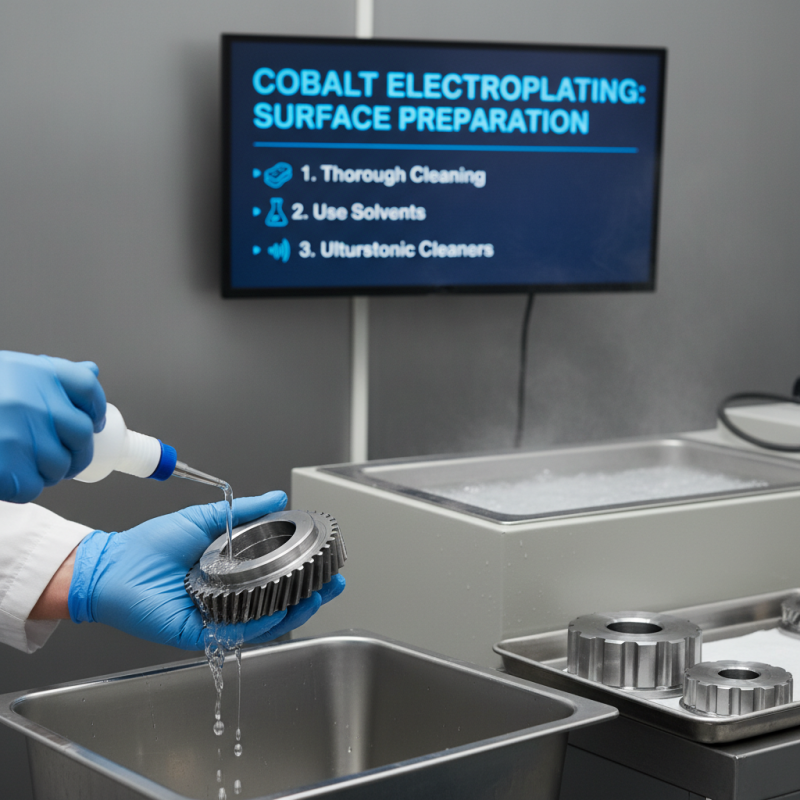
Proper preparation of substrates is crucial for achieving optimal cobalt plating results. The surface condition can significantly affect adhesion and thickness uniformity. According to recent industry reports, more than 30% of cobalt plating failures stem from inadequate substrate preparation. This highlights the need for meticulous surface cleaning prior to plating.
Start by thoroughly degreasing the substrate. Use solvents or alkaline cleaners to remove oils and particulates. A clean surface promotes better engagement with the cobalt. A study indicates that substrates with a surface roughness of about 1-2 micrometers show a 25% improvement in adhesion strength. However, excessive roughness can lead to uneven plating, which often requires reworking.
Surface activation is another critical step. This may involve acid etching or applying a conductive coating. Analysts emphasize that the choice of method can impact the final coating durability. For instance, over-etching can create a weak bond, while under-activation may result in poor plating. Monitoring these processes is essential, and unexpected results can arise from slight variations. Always evaluate the surface conditions and prepare for potential discrepancies in future projects.
Common Challenges and Solutions in Cobalt Electroplating
Cobalt electroplating offers remarkable benefits such as corrosion resistance and improved wear properties. However, challenges often arise in the process. One key challenge is achieving uniform coating thickness. Uneven plating can lead to weak spots. According to industry reports, up to 30% of parts fail quality assessments due to inconsistent coating. Monitoring current density and bath agitation can help address this issue.
Another concern in cobalt electroplating is the risk of hydrogen embrittlement. This occurs when hydrogen gas forms during the plating process. It can lead to brittle failures in metal parts. Research indicates that 20% of cobalt-plated components experience this problem without proper venting or post-treatment. Implementing a thorough post-bake heat treatment can significantly reduce this risk.
Contamination of the plating bath is also a common challenge. Impurities can affect the deposit quality and adherence. Reports show that 15% of plating failures are attributed to this contamination. Regular analysis of bath composition and the use of filtration systems are essential steps in maintaining bath purity and ensuring better coating performance.
How to Perform Cobalt Electroplating for Durable Metal Finishing? - Common Challenges and Solutions in Cobalt Electroplating
| Aspect |
Details |
| Basic Principle |
Cobalt electroplating involves depositing a layer of cobalt onto a metal substrate by electrolysis. |
| Common Challenges |
Uneven coating, pitting, and brittleness of the deposits. |
| Solution for Uneven Coating |
Ensure uniform current distribution and adjust the distance between anodes and the substrate. |
| Solution for Pitting |
Maintain proper bath chemistry and temperature to minimize imperfections. |
| Solution for Brittleness |
Control the deposition rate and incorporate additives to improve ductility. |
| Benefits of Cobalt Coating |
Enhanced wear resistance, corrosion protection, and improved surface hardness. |
| Applications |
Used in aerospace, automotive, and electronics industries for critical components. |