
China Top 10 Suppliers of Chemicals Used in Electroplating
Electroplating quality depends on more than the plating line. The chemicals used in electroplating influence coating appearance, adhesion, consistency, and process control. A production floor may rely on copper sulfate, nickel salts, zinc compounds, cleaners, and carefully selected bath additives. Small differences in purity or formulation can affect results across an entire batch.
This guide profiles ten suppliers in China and outlines practical points for comparing their products and services. The list is a starting point, not a universal ranking; suitability varies with the metal, process, production scale, and destination market. Details matter. Buyers can review technical data sheets, safety data sheets, certificates of analysis, batch traceability, packaging options, and technical support before requesting samples or placing orders. These documents help clarify product specifications, but they do not replace process trials or independent checks.
Price deserves attention, but it rarely tells the whole story. Ask how suppliers manage consistent specifications, communicate changes, and handle delivery schedules. Confirm that product documentation and transport arrangements meet the requirements that apply to your operation and location. Not always. A supplier with an attractive quotation may not be the best fit if communication is slow or support is limited. Even experienced purchasing teams encounter gaps between a sample and routine production. Treat comparisons as evidence gathering, verify key claims directly, and consider a controlled trial before making a long-term decision.
What Chemicals Are Used in Electroplating?
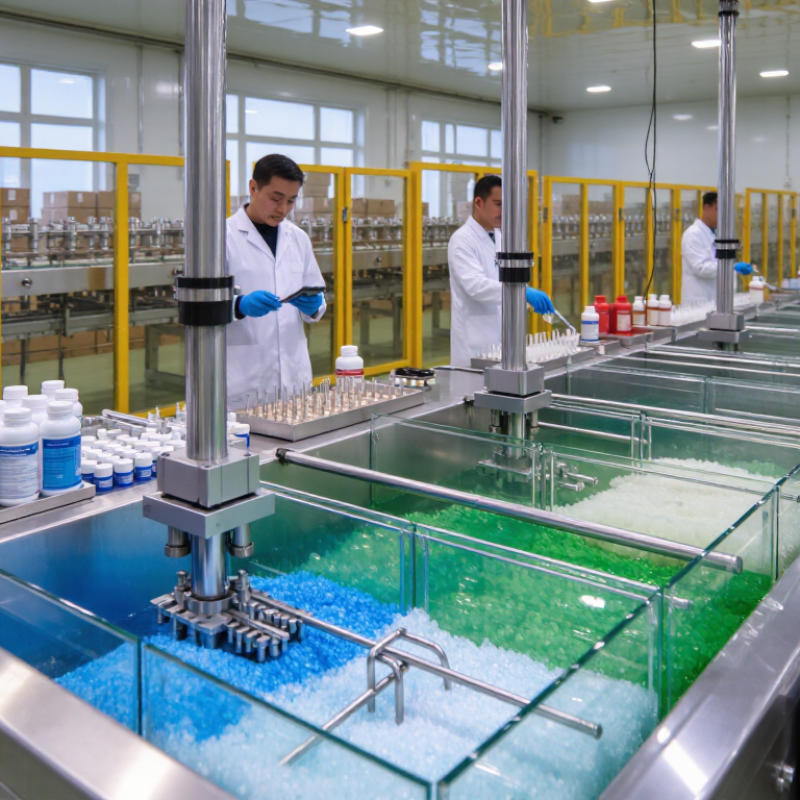
Electroplating baths use dissolved metal salts, acids or alkalis, and small amounts of functional additives. Copper sulfate and nickel sulfate supply metal ions; zinc and tin salts serve other coating needs. The exact recipe depends on the base metal, desired finish, and production method. A bright, smooth deposit is not made by metal salts alone.
The U.S. EPA’s Metal Finishing Effluent Guidelines (40 CFR Part 433) cover six process groups, including electroplating and electroless plating. This matters because rinse water and spent baths can carry dissolved metals and other process residues. Common supporting chemicals include sulfuric acid for surface preparation, sodium hydroxide for cleaning, and wetting agents or brighteners to improve coverage. Their concentration and use vary by bath. Small changes can affect deposit quality.
Operators monitor bath temperature, pH, and metal concentration, often with routine lab checks. A nickel bath, for example, may need adjustment when parts show roughness or uneven color. The European Commission’s Surface Treatment of Metals and Plastics BREF (2006) describes these processes and their environmental controls. It is a useful technical reference, though older; newer equipment and site practices may differ. Not every line needs the same chemistry. That is easy to overlook.
China Top 10 Suppliers of Chemicals Used in Electroplating - What Chemicals Are Used in Electroplating?
The table below covers ten representative electroplating chemical product categories commonly supplied in China. It is an overview of products, not a ranked list of suppliers or companies.
| No. | Chemical Product Category | Typical Chemistry | Common Process | Main Function | Important Handling Consideration |
|---|---|---|---|---|---|
| 1 | Nickel sulfate | Nickel sulfate, commonly supplied as a hydrated salt | Watts nickel and other nickel-plating baths | Primary source of nickel ions for depositing a nickel coating. | Nickel compounds can cause skin sensitization and are hazardous to aquatic life. Follow the safety data sheet and local wastewater requirements. |
| 2 | Nickel bath supporting salts | Nickel chloride and boric acid | Watts nickel plating | Nickel chloride helps maintain anode dissolution and bath conductivity; boric acid helps buffer bath pH near the cathode. | Control bath composition and pH according to the process specification. Avoid uncontrolled discharge of nickel-bearing solutions. |
| 3 | Copper sulfate | Copper sulfate, often used with sulfuric acid | Acid copper plating | Provides copper ions for depositing copper coatings, including leveling and build-up applications. | Copper salts are harmful to aquatic organisms. Use appropriate containment and treat rinse water before discharge. |
| 4 | Sulfuric acid | Aqueous sulfuric acid | Acid copper baths and other plating-bath formulations | Supports bath conductivity and helps maintain the acidity required by certain plating processes. | Highly corrosive. When diluting, add acid slowly to water, never water to acid, and use suitable protective equipment. |
| 5 | Zinc plating salts | Zinc chloride or zinc sulfate for acidic baths; zinc oxide is commonly used in alkaline zincate baths | Acid zinc and alkaline zinc plating | Supplies zinc ions for corrosion-protective zinc coatings on steel and other suitable substrates. | Bath chemistry varies by process. Zinc-bearing waste should be collected and treated rather than released untreated. |
| 6 | Sodium hydroxide | Caustic soda in aqueous solution or solid form | Alkaline zinc plating and bath pH adjustment | Provides the strongly alkaline conditions needed for alkaline zincate baths and some process-control steps. | Highly corrosive and capable of causing severe burns. Keep away from incompatible materials and follow safe-dilution procedures. |
| 7 | Chromium trioxide | Chromium trioxide, also known as chromic anhydride | Traditional hexavalent chromium plating | Provides chromium in conventional chromium-plating processes. | Contains hexavalent chromium, a highly hazardous substance and known carcinogen. Use only with rigorous exposure controls and applicable regulatory approvals. |
| 8 | Trivalent chromium salts | Chromium(III) sulfate or chromium(III) chloride, typically used with bath complexants | Trivalent chromium plating | Provides chromium ions for chromium coatings in processes formulated with trivalent chromium chemistry. | Requirements differ by formulation. Follow the supplier's process guidance and manage chromium-containing wastes in accordance with regulations. |
| 9 | Alkaline cleaning chemicals | Formulated blends that may include alkaline builders, surfactants, and water conditioners | Pre-plating cleaning and degreasing | Removes oils, grease, and particulate soils so the surface can be properly prepared for plating. | Some formulations are strongly alkaline. Rinsing and waste handling should be matched to the cleaner and the contaminants removed. |
| 10 | Plating additives | Formulated brighteners, levelers, wetting agents, and other process-specific additives | Nickel, copper, zinc, and other plating baths | Can improve deposit brightness, leveling, wetting, or other coating characteristics, depending on the bath formulation. | Additive chemistry and dosage are process-specific. Avoid mixing products unless compatibility is confirmed by the technical documentation. |
Related Posts
-

Top 10 Uses of Chromium in Electroplating You Need to Know
-
Top Chemicals Used in Electroplating for Enhanced Performance and Durability?
-

2026 Best Black Chrome Plating Techniques and Applications?
-

Top 10 Benefits of Dark Chrome Plating for Modern Designs?
-
Why You Should Know the Different Types of Chrome Plating for Your Projects
-
Top 10 Benefits of Chrome and Nickel Plating for Industrial Applications?