
China Top 10 Chrome Plating Suppliers What Is Chrome Plating?
Chrome plating remains a precision surface-finishing process, not merely a bright decorative layer. To define chrome plating accurately, it involves depositing chromium onto a prepared metal surface through controlled electrochemical reactions. The coating can improve hardness, wear resistance, corrosion protection, and visual appeal. Preparation matters greatly. A polished steel component may pass through cleaning, polishing, nickel plating, chromium deposition, rinsing, and inspection. Small surface defects can remain visible under the final reflective layer.
Industry estimates show strong demand, but the numbers vary. Grand View Research valued the global electroplating market at approximately USD 19 billion in 2023. MarketsandMarkets projects continued growth through the decade, driven by automotive, machinery, aerospace, and industrial equipment applications. These reports usually combine several plating technologies, so they should not be treated as chrome-plating-only figures. That distinction is often overlooked.
Electroplating specialist George DiBari, a contributor to ASM International’s Modern Electroplating, described chromium deposition as “a highly controlled electrochemical process.” His point remains practical. Chemistry, current density, bath temperature, anode design, and operator experience all influence results. Supplier claims deserve verification. Certificates, coating-thickness reports, salt-spray data, dimensional controls, and process audits provide stronger evidence than photographs alone.
This guide introduces China’s top ten chrome plating suppliers through that evidence-based lens. Ranking suppliers is imperfect. A factory serving automotive parts may not suit hydraulic rods or decorative hardware. Buyers should compare process capability, inspection records, production scale, communication, and after-sales support. The brightest finish is not always the most durable one.
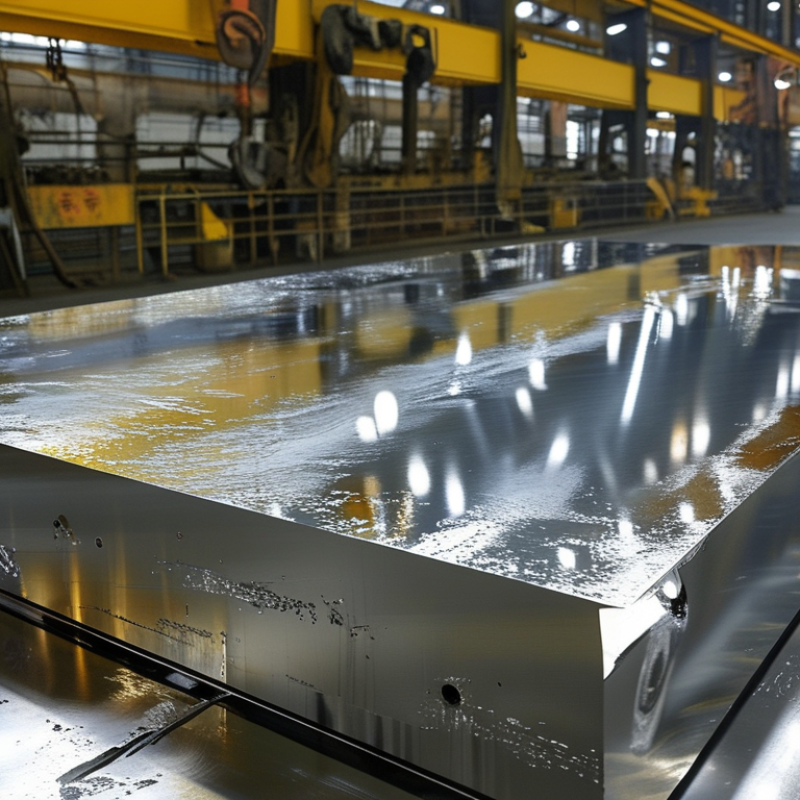
What Is Chrome Plating and How Does It Work?
Chrome plating is an electrochemical process, not ordinary paint. A metal part enters a chemical bath, where direct current moves chromium ions toward its prepared surface. The ions form a thin metallic layer. Cleaning, polishing, activation, and rinsing happen before plating. Small defects matter. Oil, dust, or trapped moisture can cause peeling, pits, or uneven color.
Decorative chrome is usually very thin and improves brightness and surface protection. Hard chrome is thicker and supports wear resistance on shafts, molds, and hydraulic components. Coating thickness depends on the part’s geometry, current density, bath temperature, and plating time. Practical inspection should include thickness mapping, adhesion testing, visual checks, and dimensional measurement. A bright finish alone proves little.
Safety requires disciplined engineering controls. OSHA’s chromium(VI) standard limits workplace exposure to 5 micrograms per cubic meter over an eight-hour shift. NIOSH recommends a much lower exposure limit of 0.2 micrograms per cubic meter. These figures explain why ventilation, mist suppression, wastewater treatment, and personal protection cannot be treated as optional. Process performance also needs honest review. Chrome plating can improve durability, but it may not correct poor base-metal preparation or inaccurate machining. The finish reflects the whole process, not only the final bath.
China Top 10 Chrome Plating Suppliers: What Is Chrome Plating and How Does It Work?
Key process stages, measurable parameters, coating characteristics, and quality considerations
| No. | Process Stage or Factor | What It Does | Typical Technical Data | Important Quality Considerations |
|---|---|---|---|---|
| 1 | Base Material Inspection | Confirms that the substrate is suitable for plating and identifies defects before processing. | Common substrates include steel, stainless steel, copper alloys, aluminum alloys, and selected engineering plastics. | Surface cracks, pores, oil, rust, previous coatings, and dimensional allowances should be recorded before treatment. |
| 2 | Cleaning and Degreasing | Removes oil, grease, fingerprints, and other contaminants that could reduce coating adhesion. | Cleaning may use alkaline solutions, solvents, electrocleaning, or combinations of these methods. | A water-break-free surface is commonly used as a practical indication that organic contamination has been removed. |
| 3 | Surface Preparation | Improves surface uniformity and prepares the part for activation and electrodeposition. | Methods may include grinding, polishing, blasting, chemical etching, or acid activation, depending on the substrate. | The final decorative appearance generally follows the prepared surface; plating does not reliably hide deep scratches or pits. |
| 4 | Underplating | Adds an intermediate layer that improves corrosion resistance, leveling, adhesion, or compatibility between the substrate and chromium. | Nickel is widely used beneath decorative chromium; copper may be used as a leveling layer on some components. | Layer sequence and thickness must be selected according to the base material, service environment, and appearance requirements. |
| 5 | Chromium Electrodeposition | Deposits chromium ions onto the electrically conductive workpiece through an electrochemical process. | The part functions as the cathode in an electrolytic cell; the coating thickness depends on current density, time, bath chemistry, and geometry. | Electrical contact, anode placement, solution control, current distribution, and bath maintenance affect coating uniformity. |
| 6 | Decorative Chromium | Provides a bright, reflective appearance and improves resistance to tarnishing and surface wear. | Decorative chromium is generally a very thin top layer, often applied over a nickel coating; exact thickness depends on the specification. | Appearance, color consistency, brightness, coverage, adhesion, and resistance to corrosion are typical acceptance criteria. |
| 7 | Hard Chromium | Provides a thicker functional coating for wear resistance, lower friction, surface restoration, and improved corrosion protection. | Hard chromium thickness is application-specific and may range from several tens of micrometers to substantially higher values for repair or engineering applications. | Thickness distribution, crack pattern, hardness, grinding allowance, dimensional accuracy, and adhesion are critical for performance. |
| 8 | Rinsing and Post-Treatment | Removes process residues and prepares the plated part for drying, neutralization, sealing, or finishing. | Multiple rinsing stages may be used; drying temperature and time depend on the substrate, coating system, and part geometry. | Insufficient rinsing can cause stains, corrosion products, discoloration, or chemical residues on the finished surface. |
| 9 | Finishing and Dimensional Control | Restores the required surface finish and confirms that the plated part meets drawing dimensions. | Finishing may include polishing, grinding, masking removal, deburring, and selective rework. | Plating thickness adds material to critical surfaces, so allowances should be included in the original machining and inspection plan. |
| 10 | Final Inspection and Testing | Verifies coating integrity, appearance, adhesion, thickness, hardness, and corrosion or wear performance where required. | Common methods include visual inspection, dimensional measurement, coating-thickness measurement, adhesion testing, hardness testing, and corrosion testing. | Acceptance limits should be defined by the engineering drawing, purchase specification, applicable standards, and intended service conditions. |
Note: Chrome-plating values vary with substrate, coating type, part geometry, bath chemistry, equipment, and applicable specifications. Decorative chromium and hard chromium are different coating systems and should not be evaluated using the same performance criteria.
Related Posts
-

2025's Top Chrome Plating Techniques: Enhance Durability and Aesthetics
-
2026 Best Chrome and Plating Solutions for Global Buyers?
-
10 Best Chrome Plating Services for a Stunning Finish?
-

Best Bright Chrome Plating Options for Global Buyers?
-
2026 How to Master Nickel Chrome Plating for Stunning Finishes?
-
Advantages of Chrome Plating for Global Buyers?