What are the Best Techniques for Chrome and Plating?
Chrome and plating are essential techniques in various industries. They enhance not only the appearance of products but also their durability. Understanding the best practices for chrome and plating can greatly impact the quality and longevity of metal items. From automotive parts to household fixtures, these processes add value.
The expertise in chrome and plating is crucial. Each technique requires attention to detail and a deep understanding of materials. For instance, improper surface preparation can lead to poor adhesion. This not only compromises the finish but may also result in costly rework. Professionals in the field often face challenges, such as balancing speed and quality.
In the quest for perfection, it is important to reflect on the pitfalls of different methods. A lack of proper equipment or skill can lead to unsatisfactory results. Learning from these experiences is vital. The industry constantly evolves, requiring practitioners to adapt. Embracing new technologies and techniques for chrome and plating is essential for staying competitive.

Best Chrome Plating Techniques: An Overview
Chrome plating is a popular finishing technique used in various industries. It improves the aesthetics and corrosion resistance of metal surfaces. Understanding the best techniques is essential for achieving high-quality results.
Electroplating is one effective method. This process involves using electric current to deposit a thin layer of chromium onto a substrate. The result is typically smooth and shiny, enhancing the part's appearance. However, achieving a uniform layer can be challenging.
Attention must be given to the surface preparation, as any defects can lead to poor adhesion.
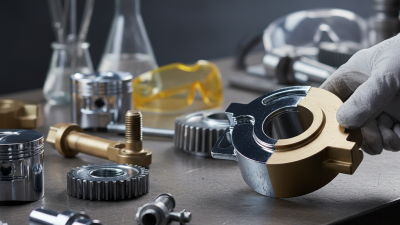
Another technique includes hard chrome plating. This method provides increased wear resistance. It is often used in machinery components. However, the thickness of the plating can be a concern.
Too thick a layer may cause stress and cracking. Operators need to balance durability with flexibility.
Proper techniques and expertise are crucial for success in chrome plating ventures.
Surface Preparation Methods for Optimal Chrome Coating
Surface preparation is crucial for achieving optimal chrome coating. A clean and well-prepared surface ensures strong adhesion and a flawless finish. Various methods can be used, including sandblasting, chemical cleaning, and grinding. Each method has its strengths and weaknesses.
Sandblasting effectively removes rust and old coatings. However, it can create an uneven surface if not done carefully. Chemical cleaning uses solvents to dissolve contaminants. It may not be as aggressive but can leave residues that affect the coating. Grinding, on the other hand, can produce a smooth surface, but it requires skilled operators to avoid damaging the substrate.
After cleaning, the surface must be inspected for imperfections. Even small scratches or pits can compromise the chrome layer's integrity. Addressing these flaws beforehand is essential. An unprepared surface will lead to peeling or bubbling later on. Thus, a thorough inspection and repair are vital. Proper surface preparation sets the foundation for a durable and aesthetically pleasing chrome finish.
Electroplating Process: Steps and Considerations
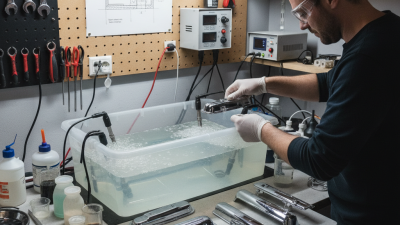
The electroplating process consists of several essential steps. First, surface preparation is crucial. A clean and smooth surface ensures strong adhesion. Cleaning methods can include chemical baths or abrasive techniques. Any residual dirt or oxidation can lead to post-plating defects. Studies show that improperly prepared surfaces can result in a rejection rate of up to 30%.
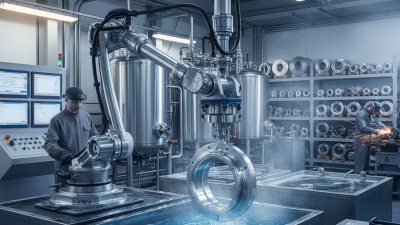
Next is the actual electroplating step, where electrical currents help deposit metal onto the substrate. The choice of electrolytic solution impacts the quality of the plating. Factors such as pH levels, temperature, and current density affect the deposition rate and thickness. Industry reports suggest that maintaining controlled conditions can improve coating uniformity by nearly 25%. Adjusting parameters helps mitigate challenges. Issues may arise, like poor coverage or rough finishes.
Finally, post-plating treatments are important for durability. Techniques such as passivation increase corrosion resistance. Without proper treatment, the lifespan of the plating can be significantly reduced. Vibrant finishes may fade, and functional properties could diminish. Investing in quality control measures is essential. Driving continuous improvement can enhance outcomes.
What are the Best Techniques for Chrome and Plating? - Electroplating Process: Steps and Considerations
| Technique |
Description |
Advantages |
Considerations |
| Electroplating |
A process that uses electrical current to reduce dissolved metal cations so that they form a coherent metal coating on an electrode. |
High precision, uniform thickness, and can coat complex shapes. |
Requires careful control of current and solution composition. |
| Flash Plating |
A quick coating process that deposits a very thin layer of metal primarily for aesthetic purposes. |
Cost-effective for appearance, fast application. |
Not durable, best for decorative use only. |
| Hard Chrome Plating |
A thick layer of chromium deposited for abrasion resistance and wear properties. |
Extremely durable, improves surface hardness. |
More expensive and requires specific preparation and post-treatment. |
| Nickel Plating |
Deposits a layer of nickel for corrosion resistance and a smooth finish. |
Good for anti-corrosion and can create a bright finish. |
May require a copper base layer; nickel can corrode under certain conditions. |
Post-Plating Treatments for Enhanced Durability
Post-plating treatments are essential for enhancing the durability of chrome and plated surfaces. These treatments can significantly improve corrosion resistance and aesthetic appeal. Common techniques include passivation, polishing, and applying protective coatings. Each technique serves a specific purpose, resulting in longer-lasting finishes.
Passivation involves using an acid solution to remove any contaminants. This step creates a thin oxide layer that shields the underlying metal. It’s crucial for preventing rust and oxidation. After passivation, polishing can enhance the shine of chrome and plated surfaces, making them more visually appealing. Use fine abrasives to avoid scratches.
For added protection, consider applying a sealant or clear coat over the plating. These protective layers serve as a barrier against environmental factors. They help prevent wear and tear from daily use. Regular maintenance is also vital. A simple cleaning routine can prevent buildup that compromises the finish. Remember, not all methods may work for every application.
Stay mindful of the specific requirements of your project. Testing various methods on sample pieces can provide valuable insights. Ultimately, finding the right combination of techniques can lead to a finish that not only looks great but is also built to last.
Quality Control Measures in Chrome and Plating Processes
Quality control in chrome plating is essential for obtaining durable and aesthetically pleasing finishes. Imperfections can commonly arise during the electroplating process. Small defects can lead to larger issues later on, such as peeling or rusting. Maintaining a controlled environment in your plating facility is critical. This includes ensuring proper temperature, humidity, and cleanliness.
Tips: Regularly calibrate your equipment to avoid inconsistencies in plating thickness. This helps in achieving a uniform finish across all products. Employing a thorough inspection process can catch defects early. Consider visual inspections as well as measurement techniques to evaluate coating thickness.
Another essential aspect is the pre-treatment of surfaces. Proper cleaning and surface preparation prevent contaminants from affecting the plating quality. Any leftover oils or dust can create weak points in the finish. Implement multi-step cleaning processes for best results.
Tips: Use ultrasonic cleaning for intricate parts. This method ensures every crevice is cleaned effectively. Track your procedures and outcomes. Keeping records helps identify recurring issues over time and improves overall quality control.