The chrome plating industry is pivotal in enhancing the aesthetic and functional properties of a wide range of products. In recent years, the chemicals used in chrome plating have evolved significantly, driven by technological advancements and regulatory changes. According to a 2022 market report, the global chrome plating market is projected to reach $12 billion by 2026, reflecting a growing demand in automotive, aerospace, and electronics sectors.
The selection of appropriate chemicals is crucial for achieving high-quality finishes and durability. Chromic acid remains a primary chemical, but alternatives like trivalent chromium are gaining attention for being more environmentally friendly. However, challenges exist. Some chemicals may affect the quality of the plating or create waste management issues. Striking a balance between performance and sustainability is essential for manufacturers.
It's important to approach these choices with care. The potential risks associated with some plating chemicals necessitate continuous research and adherence to safety standards. Engaging with industry experts and reports can guide buyers in making informed decisions. As the market evolves, staying updated on innovations in chemicals used in chrome plating will be vital for success and compliance.

Chrome plating is an essential process in various industries. It enhances the durability and aesthetic appeal of products. Chromium compounds are the primary chemicals used in this process. They provide a tough coating that protects against corrosion and wear.
In plating, the choice of chemicals directly affects the quality of the finish. For example, trivalent chromium solutions are gaining traction due to their lower environmental impact. These alternatives provide good corrosion resistance with less toxicity. However, they may not achieve the same brightness as hexavalent solutions.
Tips: Always conduct thorough research before selecting chemicals. Consider both performance and safety profiles of each compound. Testing on sample surfaces can provide insight into the final result.
The application of chrome plating extends beyond aesthetics. It plays a vital role in industries such as automotive, aerospace, and electronics. Each industry has its specific requirements, which can affect chemical choice. Balancing durability and finish is a common challenge. Proper understanding of the application can ensure better outcomes.
Tips: Collaborate with experts to refine your plating process. Engaging with professionals can help in selecting the right chemicals. Regular audits of your chemical usage can promote efficiency and safety.
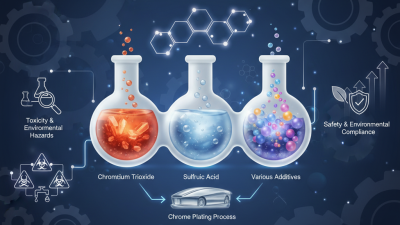
Chrome plating is a popular surface finishing process that enhances the appearance and durability of various metal components. The chemicals used in this process are crucial for achieving high-quality results. The primary chemicals include chromium salts, acids, and various additives that help in controlling deposition rates and improving adhesion.
Chromic acid is one of the main chemicals used in chrome plating. It enables the deposition of a hard, shiny chromium layer. According to industry reports, solutions with chromium concentrations ranging from 200 to 300 g/L are commonly used. Another important component is sulfuric acid, which helps to prepare the metal surface. Proper pH levels are essential, typically around 1.5 to 3, as they significantly affect the plating quality.
Additives like surfactants and brighteners are also vital. They ensure an even plating distribution and improve gloss levels. Some studies suggest that the effectiveness of these additives can be influenced by factors such as temperature and current density. Inconsistencies in these parameters can lead to suboptimal results, which calls for continuous monitoring during the plating process. This complexity highlights the need for expertise in chemical management to achieve reliable outcomes in chrome plating.
When selecting chrome plating chemicals, various factors need consideration. The composition of these chemicals plays a pivotal role. Nickel and chromium are essential in achieving a durable finish. Studies indicate that over 80% of successful plating relies on the quality of these materials.
Temperature control during the plating process is equally crucial. Optimal temperatures range between 50°C and 60°C for most applications. Deviations can lead to poor adhesion and unsatisfactory gloss levels. A report from the American Electroplaters and Surface Finishers Society concluded that improper temperature management contributes to 30% of defects in chrome plating.
Another aspect to ponder is the environmental impact of chemical choices. The growing demand for eco-friendly alternatives is evident. Research shows that customers prefer sustainable options, even if they come at a premium. Ultimately, selecting chrome plating chemicals requires careful evaluation of effectiveness, safety, and sustainability. Each choice carries implications that could affect production and marketability.
| Chemical Name | Chemical Type | Application Method | Concentration (%) | Cost (per kg) | Environmental Impact |
|---|---|---|---|---|---|
| Chromic Acid | Anodic Solution | Electroplating | 20-30 | $15 | High |
| Trivalent Chromium | Alternative | Electroplating | 10-15 | $25 | Low |
| Nickel Sulfate | Pre-treatment | Electroless Deposition | 5-10 | $12 | Moderate |
| Sodium Hydroxide | Cleaning Agent | Surface Preparation | 2-5 | $5 | High |
| Acetic Acid | Acidic Treatment | Surface Treatment | 1-3 | $3 | Low |
The global market for chrome plating chemicals is evolving rapidly. Manufacturers are increasingly focusing on sustainable and eco-friendly solutions. This shift is driven by rising consumer awareness and regulatory pressures. Companies are now more willing to invest in technologies that minimize environmental impact and enhance the longevity of coatings.
Recent trends highlight the need for chemicals that provide superior adhesion and corrosion resistance. For instance, advancements in trivalent chromium processes have gained attention. These methods offer a safer alternative to hexavalent chromium, meeting both performance and safety standards. However, challenges remain in balancing cost-effectiveness with these enhanced qualities. Some manufacturers struggle with the initial investment required for new technologies.
Additionally, the demand for specialized coatings is on the rise. Industries such as automotive and electronics require tailored solutions for specific applications. This places pressure on chemical suppliers to innovate continually. While many companies are making strides, the pace of innovation may not be sufficient to meet growing market expectations. Some companies face difficulties in keeping distribution channels efficient enough to match global demands.
Chrome plating presents numerous safety and environmental challenges. The chemicals involved can be hazardous. Many contain toxic substances, which require careful handling. For instance, hexavalent chromium is known for its harmful effects. It poses serious health risks, including cancer, when inhaled or ingested. Therefore, proper safety measures are crucial throughout the plating process.
Ventilation is often inadequate in plating facilities. This can lead to accidental exposure to fumes. Workers must use personal protective equipment. Training is essential to ensure adherence to safety protocols. Additionally, waste management needs a thorough approach. Spent chemicals should not enter the environment unprocessed. It takes significant resources to treat these materials properly.
Environmental regulations are constantly evolving. Companies must stay informed about compliance requirements. Implementing safer alternatives is often a better choice. Biodegradable or less toxic chemicals are gaining traction. However, they may not provide the same results as traditional methods. Thus, a balance between effectiveness and safety is vital. Continuous research is necessary to identify new, safer options for chrome plating.