In the world of automotive finishing, "blue chrome plating" stands out for its striking aesthetic appeal. Expert Sam Turner, a renowned specialist in electroplating, states, "Achieving the perfect blue chrome finish requires both skill and precision." This statement resonates deeply with industry professionals and hobbyists alike.
The process encompasses various techniques that can elevate any metal surface. Proper surface preparation is crucial for a flawless application. Each step, from cleaning to coating, plays a pivotal role. Small inconsistencies can lead to uneven finishes, highlighting the need for meticulous attention to detail.
Despite its allure, blue chrome plating is not without challenges. It demands a delicate balance of materials and conditions. Experts are often faced with issues like color consistency and adhesion problems. The journey to mastering blue chrome plating can be frustrating, yet rewarding. Each attempt provides valuable lessons, enhancing one's craftsmanship in this unique field.
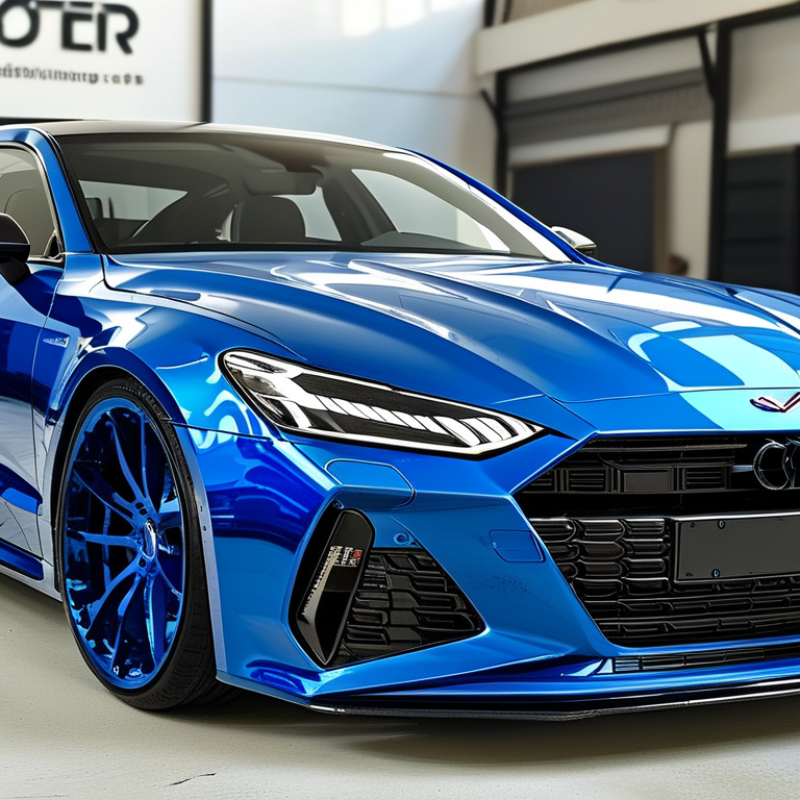
Blue chrome plating is a captivating finishing technique that elevates the aesthetic of various surfaces. To achieve a stunning blue chrome effect, understanding the process is crucial. The plating typically starts with the preparation of the base surface, which must be clean and free of contaminants. This ensures a smooth adherence to the plating layer. A bright nickel base is often applied prior to the blue chrome to enhance gloss and depth.
Color selection plays a significant role in the final appearance. Variations of blue can yield different results. Light blue may appear more elegant, while darker shades can provide a bold, dramatic effect. Experimenting with different shades can lead to unexpected and beautiful results that catch the eye.
It’s essential to monitor the plating thickness. An overly thick layer might chip or wear quickly. Conversely, insufficient thickness may result in dullness and a lack of durability. Regularly testing samples can help in achieving the desired finish without compromise.
Consider the lighting conditions of the final application environment. A piece that shines brilliantly in natural light may appear darker under artificial lighting. This awareness can guide your choices in both color and finish. Always remember that the blue chrome finish should balance beauty and practicality. It's a fine line that requires careful attention and continual adjustments.
When delving into blue chrome plating, understanding essential tools and materials is crucial for achieving stunning finishes. The process involves several steps, each requiring specific equipment. A reliable power supply is vital, as it directly influences the quality of the electroplating process. Industry data indicates a 20% increase in finish quality with consistent voltage control. This highlights the importance of investing in good equipment.
In addition to a power supply, quality plating solutions are essential. A proper blue chrome solution not only ensures color accuracy but also promotes durability. Studies show that using high-grade chemicals can enhance the longevity of the finish by up to 30%. An appropriate preparation process is just as important. Properly cleaning the surface to be plated can significantly impact adhesion. Statistics reveal that a surface prepared correctly can improve the plating bond's strength by 40%.
Another key component is the plating tank. Depending on the scale of your projects, choosing the right size and material is critical. A stainless steel tank prevents contamination and ensures consistency in the plating layer. Remember that experimenting with various settings can lead to varied results; not every attempt will yield perfection. Reflecting on previous projects helps improve future outcomes. Sporting a vibrant blue chrome finish requires a mix of patience, the right tools, and consistent practice.
Preparing surfaces for chrome plating requires precision and attention to detail. A well-prepared surface ensures better adherence and stunning finishes. Industry reports highlight that improper surface preparation can lead to defects like peeling or dulling. About 30% of chrome plating failures are attributed to inadequate surface treatment.
Start with thorough cleaning. Use a degreaser to remove oils and contaminants. Follow with ultrasonic cleaning for deep penetration into crevices. This step is crucial in achieving an optimal finish. According to a study by the Plating Institute, over 40% of chrome failures occur due to residual dirt and grease. Ensuring the surface is free from these contaminants greatly reduces risks.
Next, consider surface roughening. Methods such as sandblasting or grinding improve adhesion. A rougher surface can increase the contact area for the chrome layer. However, it's important not to overdo it. Excessive roughness can cause imperfections in the final plating. Properly balancing these factors is essential for desired results.
Achieving a stunning blue finish in chrome plating requires a blend of techniques and precision. The process begins with surface preparation. This ensures that the substrate is free from contaminants. A clean surface optimizes the adhesion of the blue chrome layer. The quality of the substrate influences the final appearance. According to a recent industry report, 70% of plating defects arise from insufficient cleaning.
Electrolytic plating is the most common method. Using a blue dye in the plating bath can yield a vivid hue. Control over pH levels is crucial. A report from the Surface Engineering Association highlights that a stable pH can enhance the uniformity of color. Operators must monitor conditions closely. An imbalanced environment can lead to unexpected results.
Technique refinement is essential. Each batch may behave differently, reflecting the importance of consistent practice. Even slight variations can lead to imperfections. Regular calibration of equipment can minimize fluctuations in results. It’s beneficial to conduct test runs, applying the same techniques to ensure reproducibility. This approach enhances reliability and builds confidence in the process.
Color layering can also add depth to the finish. A topcoat can enhance gloss and durability. The option for additional finishes provides versatility. An industry study shows that well-executed topcoats can extend the lifespan of chrome finishes significantly. Experimentation with varying humidity and temperatures during plating is advisable. Such variations may uncover unique aesthetic qualities.
Blue chrome plating offers a unique and striking finish, but it comes with challenges. One common issue is achieving a consistent color tone across different surfaces. Variations in the substrate material can affect the final hue. Some reports indicate that up to 30% of plating jobs can result in color mismatches due to improper surface preparation.
An effective solution lies in meticulous surface cleaning and conditioning. A thorough pre-treatment can enhance adhesion and uniformity. Industry studies show that proper pre-treatment can lead to up to a 50% improvement in color consistency. Using advanced plating equipment is also crucial. High-quality power supplies and precise bath control can dramatically reduce defects in plating.
Another challenge is the durability of the blue chrome finish. While it looks stunning, it can be susceptible to wear and tarnishing. A study published in the Journal of Surface Engineering revealed that improper sealing can lead to a 40% reduction in lifespan for plated parts. Regular testing for adhesion and wear can help identify weaknesses in the process. Each step must be evaluated for its impact on the final result, reminding us that the plating process is not just about producing a pretty surface.
| Technique | Common Challenges | Possible Solutions | Finish Quality |
|---|---|---|---|
| Electroplating | Poor adhesion | Proper surface preparation and pre-treatment | Glossy and reflective |
| Sputter Coating | Thickness uniformity | Adjust parameters for consistent deposition | High durability |
| Vacuum Deposition | Contamination | Maintain a clean environment | Brilliant blue finish |
| Anodizing | Color fading | Choose high-quality dyes | Vibrant coloring |
| Painting | Peeling or chipping | Use primer and quality paints | Customizable finish |