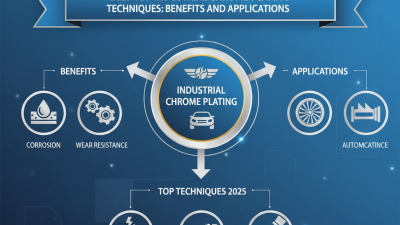
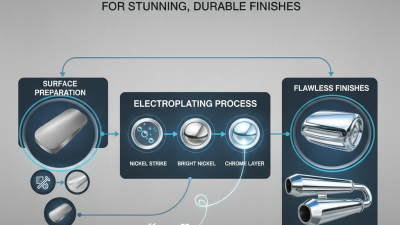
Dark chrome plating has emerged as a popular choice in modern design due to its unique aesthetic and functional benefits. According to a recent industry survey, over 70% of designers prefer dark chrome coatings for their sleek appearance and enhanced durability. This surface treatment not only provides a striking visual appeal, but also increases resistance to wear and corrosion, making it suitable for various applications.
The versatility of dark chrome plating is evident across multiple sectors, from automotive to architecture. It allows designers to achieve a contemporary look that can elevate any project. However, while the benefits are significant, it's essential to consider that keeping a balance between style and sustainability can be a challenge. The environmental impact of the plating processes must be evaluated carefully.
Reports indicate that while dark chrome plating offers substantial advantages, it can be more costly than traditional methods. This raises questions about cost-effectiveness for large-scale productions. As industries increasingly seek innovative solutions, the demand for dark chrome plating continues to grow, but reflection on its ecological footprint remains crucial.

Dark chrome plating is gaining popularity in modern design for various applications. This technique provides a unique aesthetic appeal, enhancing the visual aspect of products. More than just a look, dark chrome plating offers durability. According to recent industry reports, products treated with this finish can resist corrosion up to 30% better than standard coatings.
The applications of dark chrome plating are broad. It's frequently used in automotive parts, electronic devices, and home decor. The finish not only elevates the design but also adds a layer of protection. However, the process can be tricky. Achieving a perfect finish often requires precise conditions, which not every manufacturer can maintain. This inconsistency can lead to disappointing results, making it essential to choose experienced professionals.
Moreover, while the aesthetic advantages are clear, the environmental implications are still under scrutiny. Reports suggest that dark chrome plating can involve chemicals that may not be eco-friendly. The balance between design innovation and environmental responsibility is a topic of ongoing debate. As the industry evolves, the focus on sustainable practices in dark chrome plating will likely intensify.
The allure of dark chrome plating has greatly enhanced the aesthetic appeal in modern design. This finish offers a striking contrast, giving products an edgy yet sophisticated look. The deep, reflective surface catches the light beautifully, creating an alluring visual dynamic. Designers appreciate how it complements various materials, making it versatile for different applications.
Using dark chrome plating can make items feel unique and exclusive. Its sleek appearance often elevates the overall design, making it more desirable. However, it’s essential to balance boldness with practicality. Some may feel the finish is too dark or aggressive for certain settings. Additionally, maintaining its pristine look can require effort, raising questions about durability vs. aesthetics.
The texture added by dark chrome can also evoke a sense of luxury. This finish, while stunning, may not appeal to everyone. There’s a risk of overshadowing other design elements. Designers should reflect on their choice and its impact on the overall concept. Finding harmony between striking visuals and functional appeal remains a challenge in modern design.
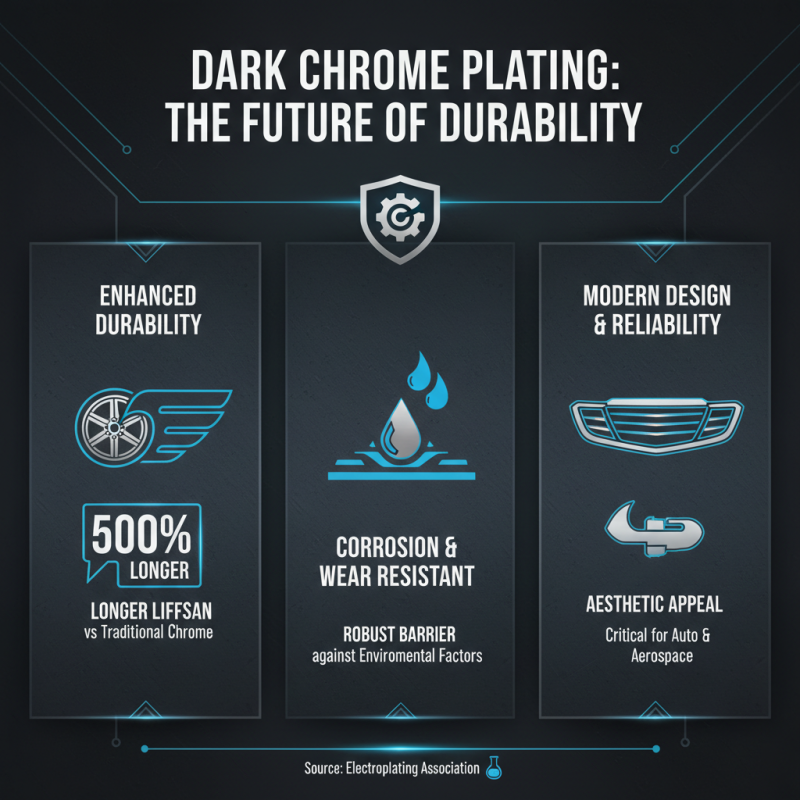
Dark chrome plating has gained significant attention in modern design, particularly for its enhanced durability and resistance to wear and corrosion. According to the Electroplating Association, chrome plating can improve the lifespan of components by up to 500%. This is especially vital in industries like automotive and aerospace, where reliability is paramount. The dark finish not only provides aesthetic appeal but also creates a robust barrier against environmental factors.
The resistance to corrosion is another critical advantage. Studies show that dark chrome plating significantly outperforms traditional finishes in harsh conditions. Parts coated with dark chrome can withstand exposure to saltwater and other corrosive elements, reducing the need for frequent replacements. Additionally, the surface hardness can increase by as much as 60% compared to untreated metals.
However, achieving this level of protection is not without its challenges. The plating process requires precise control to prevent imperfections. Even slight variations can lead to unexpected failures. Companies must invest in quality control, as inconsistencies can undermine the benefits. Despite these hurdles, the potential for increased durability in modern designs is compelling.
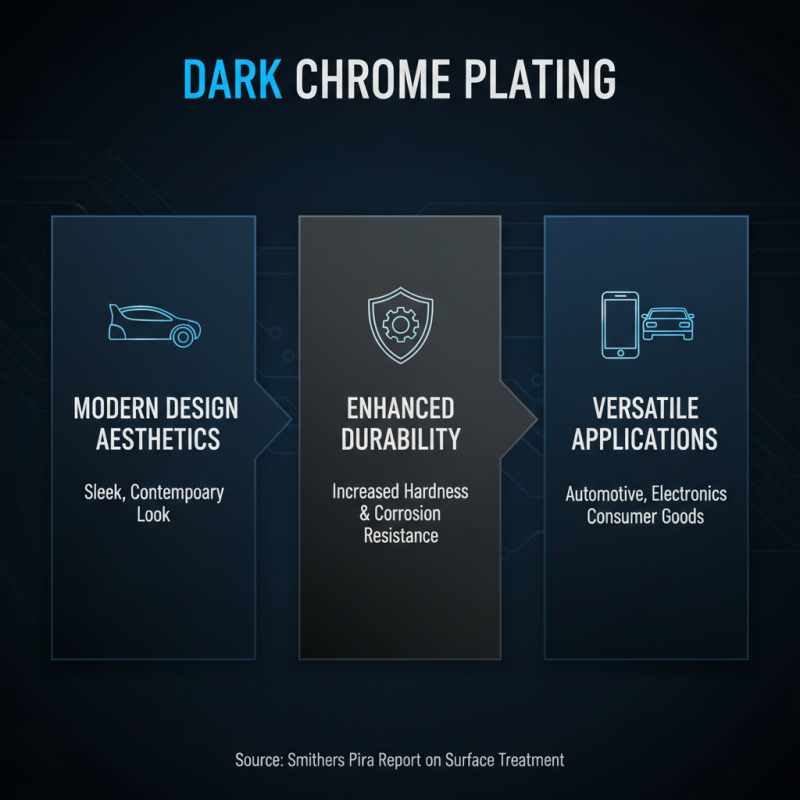
Dark chrome plating offers remarkable surface finishes that enhance modern design aesthetics. According to a report by Smithers Pira, surface treatment processes like chrome plating can increase durability and visual appeal. Dark chrome provides a sleek, contemporary look that aligns with current design trends. This finish can be adapted to various products, from automotive components to consumer electronics.
Functionality is vital, but aesthetics cannot be overlooked. An International Journal of Design study highlights how color and texture significantly affect consumer choices. Dark chrome plating does not just improve beauty; it also enhances corrosion resistance. This feature can reduce maintenance costs, making it a practical choice. However, designers sometimes struggle with uniformity in finish application. Inconsistent quality can lead to unexpected results. Planning and testing are essential to achieve desirable outcomes.
Environmental concerns also accompany dark chrome plating. The process involves specific chemicals that can be harmful if not managed correctly. Companies are seeking eco-friendly alternatives without sacrificing quality. Reports suggest that demand for sustainable methods is rising. Achieving aesthetic versatility in design demands careful consideration of both aesthetics and ecological impact.
Dark chrome plating offers several advantages, particularly in terms of cost-effectiveness and sustainability. According to a recent industry report, the demand for dark chrome finishes has grown by 15% annually. This trend highlights the appeal of innovative design solutions. Reduced production costs are a major factor driving this choice for manufacturers. Dark chrome's durability can lower maintenance expenses, although initial coating fees may seem steep.
Furthermore, the sustainability of dark chrome plating cannot be overstated. This process often utilizes fewer chemicals than traditional chrome methods. A study from the Environmental Protection Agency found that eco-friendly plating options can reduce waste by up to 25%. This is crucial as industries increasingly seek greener alternatives. While dark chrome provides a sleek finish, it also poses challenges. Achieving the perfect sheen may require multiple trials, leading to trial-and-error periods.
Ultimately, the balance of aesthetics and functionality makes dark chrome plating an attractive option. Designers appreciate its unique look, but the sustainability aspect raises questions. Some processes may still contribute to waste, even if indirectly. Addressing these concerns will be essential for future innovations in this field.
| Benefit | Description | Impact on Design | Cost-Effectiveness | Sustainability |
|---|---|---|---|---|
| Enhanced Aesthetics | Dark chrome adds a modern, sleek finish to products. | Improves the visual appeal of any design. | Cost-effective premium look without high expenses. | Usage of less material leads to lower carbon footprint. |
| Corrosion Resistance | Provides excellent protection against environmental factors. | Ensures longevity and durability of products. | Reduces maintenance costs over time. | Increases product life cycle, promoting sustainability. |
| Scratch Resistance | Forms a hard surface that is less prone to scratches. | Maintains aesthetic appeal over time. | Less frequent need for replacements or repairs. | Decreases resource consumption in manufacturing. |
| Easy Maintenance | Surface requires minimal upkeep. | Ensures practicality in design usage. | Saves time and labor costs in maintenance. | Less cleaning agents needed contribute to eco-friendliness. |
| Heat Resistance | Can withstand high temperatures without losing integrity. | Ideal for parts used in demanding environments. | Reduces risk of failure, saving repair costs. | Prolongs life of products, enhancing lifecycle sustainability. |
| Customization Options | Can be applied in various finishes and textures. | Enables unique design expressions. | Cost-effective for producing custom designs. | Encourages innovative designs with sustainable practices. |
| Improved Adhesion | Enhances bonding of coatings and finishes. | Supports multi-layer design strategies. | Less need for re-coating, saving costs. | Minimizes waste from recoating processes. |
| Wide Application | Suitable for a variety of materials and products. | Facilitates diverse industries and designs. | Versatile application reduces material costs. | Encourages the use of sustainable materials. |
| Increased Product Value | Enhances perceived value of finished goods. | Boosts overall market appeal and price point. | Higher value products justify investment. | Promotes choosing better, longer-lasting products. |