Top Benefits of Cobalt Electroplating for Industry Applications?
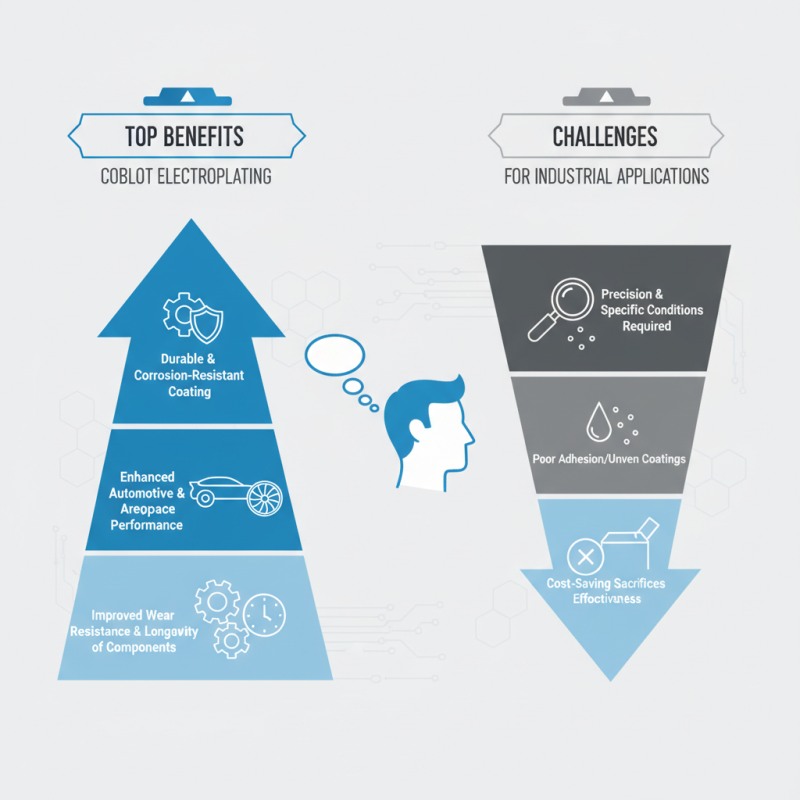
Cobalt electroplating has become a prominent technique in various industries. This method offers a durable and corrosion-resistant coating for metals. John Smith, a renowned expert in electroplating, stated, “Cobalt electroplating is crucial for enhancing the lifespan of industrial components.” His words reflect the growing importance of this process.
In the automotive and aerospace sectors, cobalt electroplating enhances performance. The coating improves wear resistance, making parts last longer under stress. Industries often seek solutions that offer both quality and longevity. However, not all applications realize the full benefits of cobalt electroplating. Some manufacturers overlook the finer details, sacrificing effectiveness for cost-saving measures.
Furthermore, while cobalt electroplating is beneficial, it comes with challenges. The process requires precision and specific conditions to ensure optimal outcomes. A failure in setup can lead to poor adhesion or uneven coatings, affecting the final product's integrity. Industries must address these aspects to harness the full potential of cobalt electroplating.
Overview of Cobalt Electroplating in Industrial Applications
Cobalt electroplating is gaining traction in various industrial sectors. It enhances metal surfaces by providing durability and resistance to wear. According to industry reports, cobalt coatings can increase wear resistance by up to 30%. This impressive performance makes it a valuable option for applications requiring high toughness.
In the aerospace and automotive industries, cobalt electroplating plays a crucial role. For instance, components like turbine blades and gears benefit significantly. The coatings can withstand extreme temperatures and pressure. However, there are challenges. The electroplating process needs precise control to avoid defects. Inconsistent coatings can result in weak points, leading to potential failures.
Moreover, environmental concerns are rising. Cobalt is a finite resource, and its extraction can have negative implications. Finding sustainable alternatives is essential. Industries need to weigh the benefits against environmental impacts. Innovative practices may help in addressing these issues, ensuring that cobalt electroplating remains viable for the future.
Key Advantages of Cobalt Electroplating for Metal Components
Cobalt electroplating offers several key advantages for metal components in various industries. This process enhances the durability and wear resistance of parts. Cobalt coatings can withstand harsh conditions. This makes them ideal for aerospace, automotive, and machinery applications.
One notable benefit is improved corrosion resistance. Cobalt can protect against oxidation and chemical attacks. This is crucial for components exposed to moisture or aggressive environments. The sleek finish of cobalt plating also improves aesthetic appeal. It creates a shiny surface that can help distinguish high-quality parts.
Tips: Always consider the substrate material before electroplating. Not all metals react well to cobalt coatings. Surface preparation is key. Proper cleaning ensures better adhesion of the coating. Review the specifications for each application carefully. Tailor the electroplating process to meet those needs.
While cobalt electroplating has many benefits, challenges exist. The process can be costly and time-consuming. It requires specialized equipment and skilled personnel. Be aware of these factors during planning. A thorough understanding of the process will lead to better outcomes and minimize risks.
Top Benefits of Cobalt Electroplating for Industry Applications
Cobalt Electroplating vs. Other Plating Methods: A Comparison
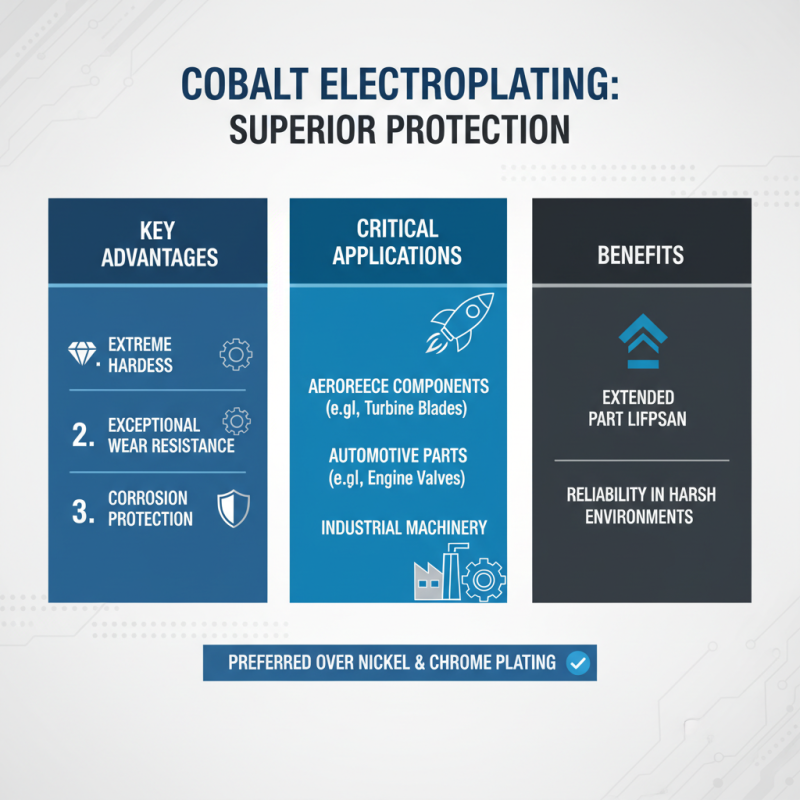
Cobalt electroplating stands out when compared to other methods like nickel or chrome plating. This method provides a unique hardness and wear resistance. Many industries favor it for critical applications such as aerospace and automotive components. The process enhances the lifespan of parts. It protects against corrosion, which is essential in harsh environments.
While cobalt plating has its benefits, it also has limitations. The preparation process can be complex. Proper surface cleaning is crucial. Without it, adhesion issues may arise. Unlike nickel plating, cobalt may require additional steps to achieve a smooth finish. This can lengthen production time.
Cost is another factor to consider. Cobalt electroplating tends to be more expensive than traditional methods. However, the longevity and protection it offers may justify the investment. Some industries might find the initial cost daunting. Yet, evaluating the overall lifecycle of components often reveals cobalt plating's value.
Environmental Considerations in Cobalt Electroplating Processes
Cobalt electroplating offers excellent benefits in various industrial applications. However, the environmental impact of this process cannot be overlooked. The use of cobalt can lead to toxic waste if not managed well. Water contamination is a significant concern during electroplating. Proper disposal practices should be in place to minimize the risk.
Consider implementing a closed-loop system in your electroplating facility. This setup can significantly reduce waste and ensure that harmful chemicals are not released into the environment. Keep monitoring and controlling the discharge of effluents. Regularly check water quality to address any contamination early.
It’s essential to weigh the benefits against the risks. Are the advantages of improved corrosion resistance worth the environmental costs? Strive for a balance that meets industry needs while protecting natural resources. You may also explore alternatives to cobalt that offer similar properties with fewer environmental concerns.
Top Benefits of Cobalt Electroplating for Industry Applications
| Benefit |
Description |
Environmental Consideration |
| Corrosion Resistance |
Cobalt electroplating provides a hard, protective layer that significantly enhances the corrosion resistance of metal parts. |
Minimizes the need for toxic anti-corrosion chemicals, thus reducing environmental impact. |
| Wear Resistance |
The hardness of cobalt plated surfaces helps to reduce friction and wear, extending the life of components. |
Longer lifespan of components leads to less frequent replacements, decreasing waste. |
| Enhanced Aesthetics |
Cobalt electroplating gives a shiny and appealing finish to metal parts, improving their appearance. |
Reduced need for additional coatings that may contain harmful solvents or chemicals. |
| Heat Resistance |
Cobalt coatings can withstand high temperatures, making them suitable for applications in extreme conditions. |
Maintaining performance at high temperatures minimizes the use of heat-resistant alloys, reducing material waste. |
| Electrical Conductivity |
Cobalt electroplating enhances the electrical conductivity of components used in electrical applications. |
Promotes recycling of electronic components, contributing to sustainable practices. |
Future Trends and Innovations in Cobalt Electroplating Technology
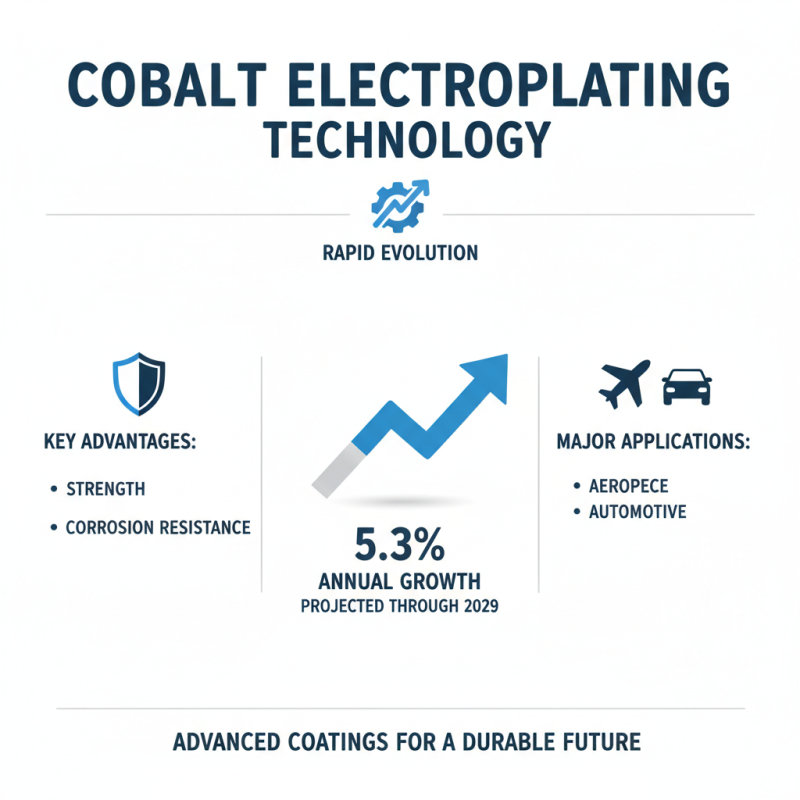
Cobalt electroplating technology is evolving rapidly. As industries seek durable solutions, cobalt's strength and corrosion resistance make it a top choice. Recent industry reports indicate a projected growth of 5.3% annually in electroplating applications through 2029. This trend highlights the rising demand for advanced coatings in aerospace and automotive fields.
Innovations in cobalt electroplating are worth noting. Techniques like pulse plating enhance the uniformity and texture of coatings. Modern processes are also more environmentally friendly, using less hazardous materials. According to research, these advancements could reduce waste by up to 30%. However, challenges remain. Achieving cost-effective methods without compromising quality is crucial.
The future of cobalt electroplating promises exciting developments. Automation and AI integration could streamline production, making it faster and more efficient. Yet, the industry must reflect on the balance between innovation and environmental impact. As the demand for cobalt continues to rise, we must ensure sustainable practices in sourcing and production.