Benefits of Chrome Plating You Should Know About?
Chrome plating is a process known for enhancing the durability and aesthetic appeal of various metal products. According to John Smith, a well-regarded expert in surface finishing, "The benefits of chrome plating are indispensable for modern manufacturing." This statement reflects the essential role chrome plating plays in multiple industries.
One of the significant benefits of chrome plating is its ability to resist corrosion. This protection extends the lifespan of components, which can be financially beneficial in the long run. Additionally, chrome plating shines bright and delivers a polished finish, making products visually appealing.
Yet, despite these advantages, there can be drawbacks. The process itself requires careful handling and safety measures. Some industries may struggle with the environmental impact associated with chrome plating. Overall, understanding both the benefits of chrome plating and its challenges is crucial for those in the manufacturing sector.

Understanding Chrome Plating: An Overview of Its Application
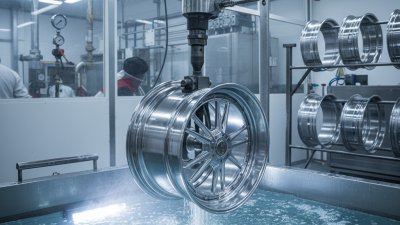
Chrome plating is a process that enhances the appearance and durability of metal surfaces. This technique involves applying a layer of chromium to a base material, creating a lustrous finish. The application of chrome plating spans various industries, including automotive, aerospace, and household goods. Many manufacturers appreciate its ability to prevent corrosion and wear, which prolongs the lifespan of products.
In automotive applications, chrome-plated parts, such as bumpers and grilles, not only improve aesthetics but also resist environmental damage. However, the process requires careful management. Improper application can lead to issues like peeling or blotchy finishes. Thus, selecting skilled professionals is essential. For industrial purposes, machinery components benefit significantly from chrome plating. The hard layer reduces friction and increases the efficiency of moving parts.
Despite its advantages, chrome plating is not without challenges. The process involves the use of hazardous materials, raising environmental concerns. Companies must ensure compliance with regulations to minimize risks. This complexity can deter some businesses from pursuing chrome plating. Understanding these aspects is crucial for making informed decisions about its application.
The Durability of Chrome Plating: Enhancing Longevity of Materials
Chrome plating significantly enhances the durability of various materials. It involves applying a thin layer of chromium. This process not only improves resistance to corrosion but also boosts surface hardness. According to a study published by the American Society of Materials, chrome plating can increase the wear resistance by up to 50%. This durability is crucial in automotive and industrial applications where components face harsh environments.
Moreover, chrome plating offers a smooth, polished finish that adds aesthetic value. The benefits extend to functionality, making parts easier to clean and maintain. However, the thickness and uniformity of the chrome layer can be inconsistent. Surveys indicate that about 15% of plated components might not meet the desired specifications. Flaws can result from improper surface preparation or uneven application. It highlights the importance of quality control in the plating process.
While the lifespan of chrome plating is impressive, it's not infallible. Under extreme conditions, such as high impacts or abrasive environments, it can chip or flake. Reliability tests by leading engineering firms show that, despite its advantages, chrome plating requires ongoing assessment. Users must be aware of potential vulnerabilities that could affect long-term performance. Regular inspections can help ensure the longevity and effectiveness of a chrome-plated surface.
Aesthetic Appeal: How Chrome Plating Improves Visual Appeal
Chrome plating offers a striking aesthetic appeal that can transform various objects. When applied, it creates a shiny, reflective surface that draws the eye. This finish not only enhances the visual charm of items but also adds a modern touch. The sleek appearance can elevate everything from automotive parts to household fixtures.
Moreover, the beauty of chrome plating lies in its versatility. It works wonders on different materials, including plastic and metal. This adaptability allows designers to be creative without losing functionality. While many appreciate chrome for its lustrous finish, it can sometimes feel overly flashy. Striking a balance between elegance and subtlety is crucial. It’s worth considering the overall design and context before opting for this eye-catching solution.
In some cases, the maintenance of chrome surfaces can be a challenge. Fingerprints and smudges may mar its shine. Regular upkeep is necessary to retain its original allure. These practical considerations should guide decisions on using chrome. Ensuring that the aesthetic benefits outweigh the drawbacks is essential for any project.
Corrosion Resistance: Protecting Surfaces with Chrome Plating
Chrome plating offers impressive corrosion resistance, making it a popular choice for various applications. This process involves applying a thin layer of chromium onto a surface, creating a protective barrier against moisture and environmental elements. Corrosion can lead to significant damage over time, affecting not just aesthetics but also functionality. With chrome plating, surfaces can remain shiny and attractive while resisting rust and deterioration.
The durability of chrome plating is remarkable. It withstands wear and tear, which is crucial for items like automotive parts and kitchen fixtures. However, the effectiveness of chrome plating can vary based on several factors, such as preparation and application methods. Poor surface preparation can lead to compromised adhesion and early failure. It is essential to choose experienced professionals for the plating process to maximize benefits.
Yet, chrome plating isn’t without its downsides. Environmental concerns surrounding the electrolytic process require careful consideration. Regulatory standards in some regions may restrict or oversee the use of certain chemicals used in plating. It's vital for industries to balance the need for corrosion resistance with environmental accountability. Striving for a sustainable approach can enhance both performance and reliability.
Cost-Effectiveness: Evaluating the Economic Benefits of Chrome Plating
Chrome plating offers significant economic advantages that make it a worthy consideration for various industries. The process not only enhances the aesthetic appeal of items but also increases their durability. For manufacturers, this means less frequent replacements and repairs, leading to long-term cost savings. Chrome-plated surfaces resist corrosion and wear, which can save companies money on maintenance.
The initial investment in chrome plating can seem high, but the value quickly becomes apparent. Enhanced protection means fewer failures, resulting in reduced operational downtime. This reliability can be especially crucial in sectors where equipment failure disrupts workflow. Furthermore, the shiny finish can improve product marketability, potentially leading to increased sales.
However, it’s important to weigh these benefits against the costs carefully. The process requires expertise and quality materials, which can vary in price. Some businesses may find that the economic benefits do not outweigh the initial expenses. Evaluating the specific needs of your project is crucial in determining if chrome plating is the right choice. It's an investment that requires thoughtful consideration of both immediate and long-term implications.